Wildfire Damage Roof Repair in Sonoma County
Expert Roof Repair in Sonoma
Wildfires pose a significant threat to homes in Sonoma County, often leading to extensive roof damage that requires immediate attention. Understanding how to identify and repair wildfire damage is crucial for homeowners looking to protect their investments and ensure safety. This article will guide you through the process of inspecting for wildfire damage, the best materials for repairs, navigating insurance claims, and emergency repair options. By the end, you will have a comprehensive understanding of wildfire damage roof repair and how to maintain your roof to prevent future issues.
How to Identify and Inspect Wildfire Roof Damage in Sonoma County?
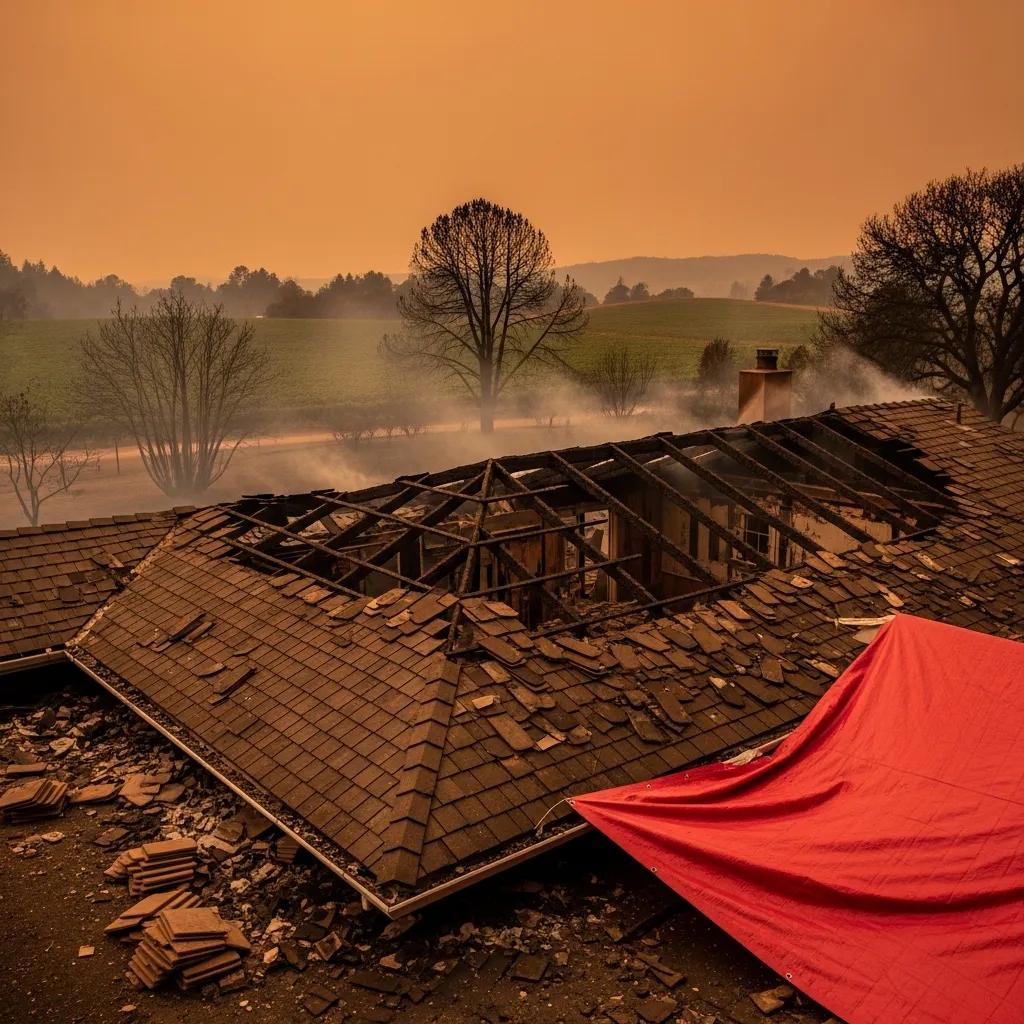
Identifying wildfire roof damage involves a thorough inspection to assess the extent of the harm caused by heat and embers. Homeowners should look for visible signs of damage, such as charred shingles, melted materials, or discoloration. Timely inspections are essential, as they can prevent further deterioration and costly repairs. Sutter Roofing Systems offers free roof inspections and quotes to help homeowners assess damage and provide effective repair solutions.
What Are the Common Signs of Wildfire Roof Damage?
Common signs of wildfire roof damage include:
- Charred Shingles: Look for blackened areas on shingles, indicating exposure to intense heat.
- Melted Materials: Check for warped or melted roofing materials, which can compromise structural integrity.
- Discoloration: Noticeable changes in color can signal damage from heat or smoke.
Recognizing these signs early can help homeowners take prompt action to mitigate further damage.
What Is the Step-by-Step Wildfire Roof Inspection Process?
The inspection process for wildfire damage typically involves several key steps:
- Visual Assessment: Begin with a thorough visual inspection of the roof from the ground and, if safe, from a ladder.
- Check for Structural Integrity: Look for sagging areas or loose materials that may indicate underlying damage.
- Document Findings: Take photos and notes of any damage for insurance claims and repair estimates.
Following these steps ensures a comprehensive evaluation of the roof’s condition.
What Are the Best Fire Resistant Roofing Materials for Sonoma County Homes?

Choosing the right roofing materials is crucial for enhancing fire resistance in homes located in wildfire-prone areas. Some of the best fire-resistant materials include: roofing
- Metal Roofing: Highly durable and non-combustible, metal roofs can withstand extreme heat.
- Clay and Concrete Tiles: These materials are fire-resistant and can provide excellent protection against embers.
- Asphalt Shingles: Look for Class A rated asphalt shingles, which offer better fire resistance.
Sutter Roofing Systems can assist homeowners in selecting the best materials for their specific needs.
Which Roofing Materials Offer the Highest Fire Resistance?
When considering fire resistance, the following materials stand out:
| Material Type | Fire Resistance Rating | Benefits |
|---|---|---|
| Metal Roofing | Class A | Non-combustible, long-lasting |
| Clay Tiles | Class A | Durable, aesthetically pleasing |
| Concrete Tiles | Class A | Heavy-duty, excellent insulation |
These materials not only enhance safety but also contribute to the longevity of the roof.
How Do Fire Resistant Materials Enhance Roof Longevity and Safety?
Fire-resistant materials significantly enhance roof longevity and safety by: roofing
- Reducing Fire Risk: Non-combustible materials minimize the chances of ignition from embers.
- Increasing Durability: High-quality materials withstand harsh weather conditions, extending the roof’s lifespan.
- Lowering Insurance Premiums: Homes with fire-resistant roofs may qualify for lower insurance rates due to reduced risk.
Investing in fire-resistant materials is a proactive approach to safeguarding your home.
How to Navigate Insurance Claims for Wildfire Roof Repair in Sonoma County?
Navigating insurance claims for wildfire roof repairs can be complex, but understanding the process can simplify it. Homeowners should start by reviewing their insurance policy to understand coverage limits and requirements. Documenting all damage with photos and detailed notes is essential for a successful claim.
The challenges of securing adequate coverage are further compounded by a broader crisis impacting homeowner insurance in California’s wildfire-prone regions.
California Wildfire Homeowner Insurance Crisis
California is currently facing an insurance crisis. The increased impact of climate change, including extreme droughts and wildfires, poses new risks to the insurance industry, especially when it comes to homeowner’s insurance. Insurance providers have limited their homeowner coverage, with many companies leaving the state entirely due to the undervaluation of climate risk in the policies they provide. A so-called “climate insurance bubble” is already beginning to burst. The state’s last-resort public insurance program, the FAIR Plan, has expanded rapidly to fill in for the lack of insurance providers in the state. But because FAIR Plan policies are expensive and limited, many Californians are forced to go without any home insurance coverage at all.
Insurance Under Fire: Assessing How California’s Insurance Industry is Tackling the Wildfire Crisis and What’s Next, 2025
What Documentation Is Needed for Wildfire Roof Damage Insurance Claims?
When filing an insurance claim, homeowners should gather the following documentation:
- Photos of Damage: Clear images showing the extent of the damage.
- Repair Estimates: Quotes from roofing contractors detailing the necessary repairs.
- Insurance Policy Information: A copy of the policy to reference coverage details.
Having this documentation ready can expedite the claims process.
How Can Sutter Roofing Assist with Insurance Claim Processes?
Sutter Roofing Systems offers valuable assistance with insurance claims by:
- Providing Detailed Estimates: Accurate repair estimates help homeowners present a strong case to their insurance providers.
- Guiding Documentation: Sutter Roofing can advise on the necessary documentation to support claims.
- Expertise in Claims: Their experience with insurance processes can help navigate potential pitfalls.
This support can alleviate stress and ensure a smoother claims experience.
When Is Roof Replacement Necessary After Wildfire Damage in California?
Determining whether roof replacement is necessary after wildfire damage involves assessing the extent of the damage. If the roof has significant structural issues or if more than 30% of the roofing material is compromised, replacement may be the best option.
What Factors Determine the Need for Roof Replacement?
Several factors influence the decision to replace a roof after wildfire damage:
- Extent of Damage: Major structural damage often necessitates replacement.
- Age of the Roof: Older roofs may not withstand repairs and could require full replacement.
- Cost-Benefit Analysis: Sometimes, the cost of repairs may approach the cost of a new roof.
Evaluating these factors can help homeowners make informed decisions.
How Does Roof Replacement Improve Fire Resistance and Property Value?
Replacing a damaged roof with fire-resistant materials can significantly enhance both safety and property value. New roofs not only provide better protection against future wildfires but also improve the home’s overall aesthetic appeal, potentially increasing its market value.
What Emergency Roof Repair Services Are Available for Wildfire Damage?
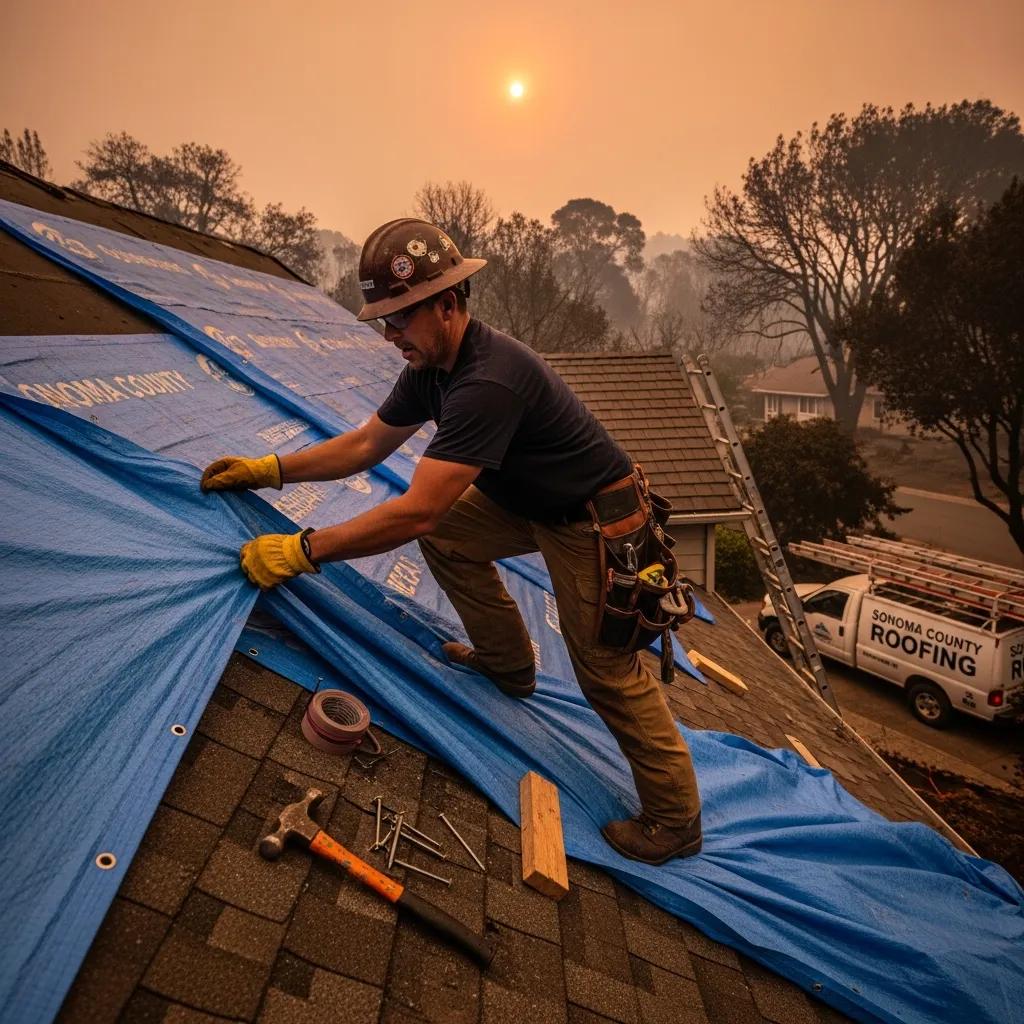
In the aftermath of a wildfire, emergency roof repair services are crucial for protecting homes from further damage. These services typically include temporary fixes to prevent leaks and additional structural issues.
How Does Emergency Roof Repair Protect Your Home After Wildfire Exposure?
Emergency roof repairs provide immediate protection by:
- Preventing Water Damage: Quick repairs can stop leaks that may lead to mold and structural issues.
- Securing the Home: Temporary coverings can deter further damage from weather elements.
- Peace of Mind: Knowing that immediate action is taken can alleviate homeowner stress.
These services are essential for maintaining the integrity of the home after a wildfire.
What Temporary Solutions Are Offered Until Full Repair or Replacement?
Temporary solutions for emergency roof repairs may include:
- Tarping: Covering damaged areas with tarps to prevent water intrusion.
- Patching: Applying temporary patches to small leaks or holes.
- Boarding Up: Securing vulnerable areas to protect against further exposure.
These solutions provide critical short-term relief while planning for permanent repairs.
How to Maintain and Prevent Wildfire Roof Damage in Sonoma County?
Regular maintenance is key to preventing wildfire roof damage. Homeowners should adopt proactive measures to protect their roofs from potential threats.
What Regular Maintenance Extends Roof Lifespan in Wildfire-Prone Areas?
To extend the lifespan of roofs in wildfire-prone areas, homeowners should:
- Conduct Regular Inspections: Check for signs of wear and damage at least twice a year.
- Clear Debris: Remove leaves, branches, and other debris that can ignite during a fire.
- Maintain Vegetation: Trim trees and shrubs near the home to create defensible space.
These maintenance practices can significantly reduce the risk of wildfire damage.
Which Preventative Measures Reduce Future Wildfire Roof Damage Risks?
Implementing preventative measures can help minimize future risks:
- Use Fire-Resistant Materials: Opt for roofing materials that meet fire safety standards.
- Create Defensible Space: Maintain a buffer zone around the home to reduce fire spread.
- Install Spark Arresters: Use spark arresters on chimneys to prevent embers from entering the home.
By taking these steps, homeowners can enhance their property’s resilience against wildfires.
Beyond these preventative measures, research highlights the critical role of both home hardening and insurance in mitigating wildfire damage and facilitating recovery.
Home Hardening & Insurance for Wildfire Damage Repair
The results showed that home hardening was a more effective action in reducing wildfire damage to a house than defensible space was, which was consistent with homeowner perception. The survey results also indicated that homeowners with insurance were less likely to experience post-wildfire financial hardship, and subsequently were more likely to repair their damaged houses.
Understanding homeowner proactive actions for managing wildfire risks, JY Lee, 2022