Tile Roofing: Clay vs Concrete Tiles, Benefits, Weight Considerations, and Cost

Tile Roofing: Clay vs Concrete Tiles - Expert Comparison of Benefits, Weight, and Cost for Sonoma County Homeowners
Tile roofing is a popular choice among homeowners due to its durability, aesthetic appeal, and energy efficiency. This article delves into the differences between clay and concrete tiles, exploring their unique benefits, weight considerations, and cost factors. Homeowners often face challenges in selecting the right roofing material that balances longevity and budget. Understanding the nuances of clay and concrete tiles can help in making an informed decision that enhances the value and protection of your home. We will cover key differences, weight implications, cost considerations, and the comprehensive benefits of tile roofing, along with insights on expert installation services provided by Sutter Roofing Systems.
What Are the Key Differences Between Clay and Concrete Tile Roofing?
Clay and concrete tiles are two of the most common materials used in tile roofing, each offering distinct characteristics. Clay tiles are made from natural clay that is molded and fired at high temperatures, resulting in a durable and aesthetically pleasing product. In contrast, concrete tiles are composed of a mixture of sand, cement, and water, which is then molded and cured. This fundamental difference in material composition leads to variations in appearance, durability, and maintenance requirements.
How Do Clay and Concrete Tiles Differ in Material Composition and Appearance?
Clay tiles are known for their rich, earthy tones and natural variations, which can enhance the visual appeal of a home. They are typically lighter in color and can be finished with a glaze for added protection and shine. Concrete tiles, on the other hand, can be manufactured in a wider range of colors and styles, allowing for greater customization. However, they may not have the same natural aesthetic as clay tiles. Both materials can be designed to mimic the look of traditional roofing materials, such as wood or slate, providing versatility in design.
Which Tile Type Offers Superior Durability and Longevity?
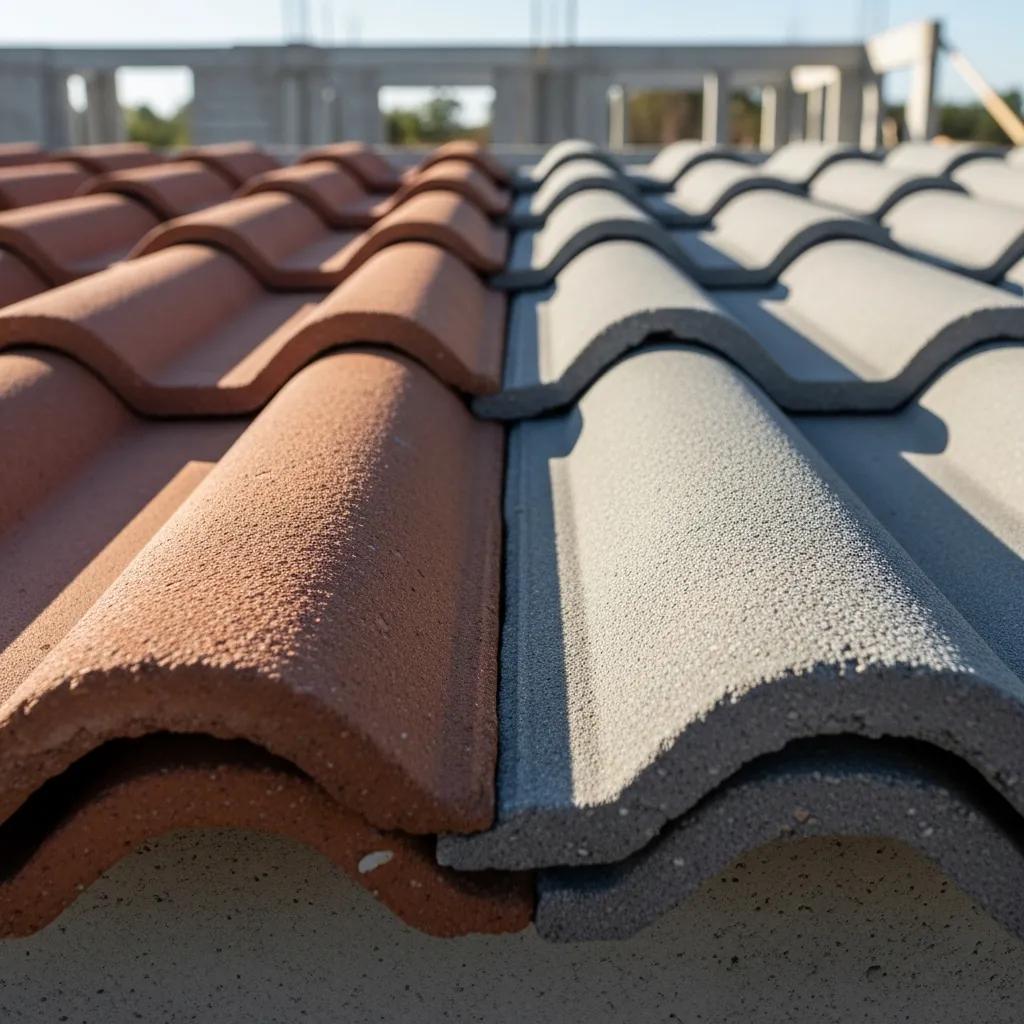
When it comes to durability, clay tiles generally outperform concrete tiles. Clay tiles can last over 100 years with proper maintenance, while concrete tiles typically have a lifespan of 50 to 60 years. The firing process of clay tiles makes them more resistant to weathering and fading, whereas concrete tiles may require more frequent maintenance to prevent cracking and discoloration. This longevity makes clay tiles a worthwhile investment for homeowners looking for a long-term roofing solution.
How Does Tile Roofing Weight Affect Structural Requirements and Installation?
The weight of tile roofing is a critical factor that influences both structural requirements and installation processes. Tile roofs are heavier than traditional asphalt shingles, which necessitates careful consideration of the underlying structure to ensure it can support the additional weight.
What Are the Weight Limits for Clay and Concrete Tile Roofs?
Clay tiles typically weigh between 600 to 1,000 pounds per square, while concrete tiles can weigh between 800 to 1,200 pounds per square. These weight differences mean that homes with existing structures may require reinforcement to accommodate the heavier materials. It is essential for homeowners to consult with roofing professionals to assess their home’s structural integrity before installation.
How Should Structural Reinforcement Be Planned for Tile Roof Installation?
Planning for structural reinforcement involves evaluating the existing roof framing and determining if additional support is needed. This may include adding more rafters or using stronger materials to ensure the roof can handle the weight of the tiles. A professional roofing contractor can provide guidance on the best practices for reinforcement, ensuring a safe and effective installation.
What Are the Cost Considerations for Clay vs Concrete Tile Roofing in Sonoma County?

Cost is a significant factor when choosing between clay and concrete tile roofing. Understanding the financial implications can help homeowners make a more informed decision.
How Does Cost Per Square Foot Compare Between Clay and Concrete Tiles?
The average cost per square foot for clay tile roofing ranges from $10 to $18, while concrete tile roofing typically costs between $7 to $12 per square foot. While clay tiles may have a higher upfront cost, their longevity and durability can lead to lower long-term expenses. Homeowners should consider both initial installation costs and potential maintenance expenses when evaluating their options.
What Local Factors Influence Tile Roofing Pricing and Installation Costs?
Local market conditions, including labor costs, material availability, and demand for roofing services, can significantly impact pricing. In Sonoma County, factors such as the local climate and building codes may also influence installation costs. Homeowners are encouraged to obtain multiple quotes from local contractors to ensure competitive pricing and quality service.
What Are the Comprehensive Benefits of Choosing Tile Roofing for Your Home?
Tile roofing offers numerous benefits that extend beyond aesthetics and durability. Understanding these advantages can help homeowners appreciate the value of investing in tile roofing.
How Does Tile Roofing Enhance Energy Efficiency and Fire Resistance?
Tile roofs are known for their energy efficiency, as they provide excellent insulation and can help reduce cooling costs in warmer climates. Additionally, both clay and concrete tiles are fire-resistant, offering an added layer of protection against wildfires and other fire hazards. This combination of energy efficiency and fire resistance makes tile roofing a smart choice for homeowners concerned about safety and utility costs.
Further research supports the significant energy-saving potential of tile roofing, particularly in optimizing cooling performance.
Energy Efficiency & Cost-Effectiveness of Roofing Tiles
In search of a more energy efficient roofing material to cover roofs without attics, tests were conducted on roofing tiles. Side-by-side tests on several scale model roofs were conducted to determine the most cost-effective roof tile configuration. This was then retrofitted on to the Dow prototype. As a result, its cooling performance improved measurably and became similar to that of the Dome prototype.
Energy savings from industrialized housing construction systems and roofing tiles, 1991
What Maintenance Practices Extend the Lifespan of Clay and Concrete Tile Roofs?
To maximize the lifespan of tile roofs, homeowners should engage in regular maintenance practices, including:
- Routine Inspections: Conducting annual inspections to identify and address any potential issues early.
- Cleaning: Removing debris, moss, and algae to prevent damage and maintain appearance.
- Repairs: Promptly addressing any cracked or broken tiles to prevent leaks and further damage.
By following these maintenance practices, homeowners can ensure their tile roofs remain in optimal condition for many years.
How Does Sutter Roofing Ensure Expert Installation and Reliable Service for Tile Roofs?
Sutter Roofing Systems specializes in tile roofing solutions, providing expert installation and maintenance services tailored to the needs of Sonoma County homeowners. Their commitment to quality and customer satisfaction sets them apart in the roofing industry.
What Is Included in Sutter Roofing’s Free Roof Inspection and Consultation?
Sutter Roofing offers a complimentary roof inspection and consultation, which includes a thorough assessment of the existing roof condition, recommendations for repairs or replacements, and a detailed estimate of costs. This service allows homeowners to make informed decisions about their roofing needs without any financial commitment.
How Does Local Expertise Influence Quality and Customer Satisfaction?
With extensive experience in the Sonoma County area, Sutter Roofing understands the unique challenges posed by the local climate and building regulations. Their local expertise ensures that installations are compliant with all codes and tailored to withstand regional weather conditions, ultimately enhancing customer satisfaction and trust in their services.