How Long Does Storm Damage Roof Repair Take?
How Long Does Storm Damage Roof Repair Take?
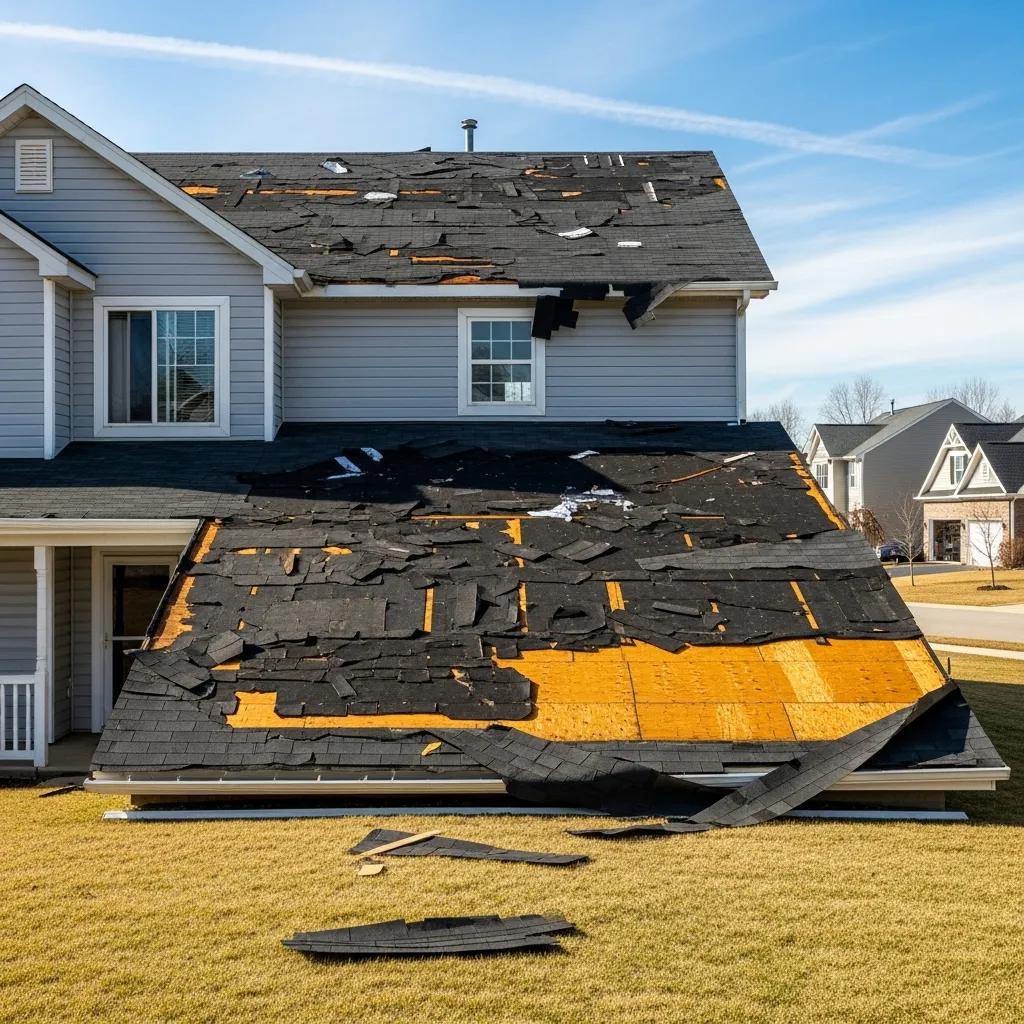
Storm damage to roofs can be a significant concern for homeowners, especially in regions prone to severe weather. Understanding the timeline for roof repairs after a storm is crucial for effective planning and restoration. This article will explore the various factors that influence the duration of storm damage roof repairs, including the typical repair timeline, the stages of repair, and the impact of inspections and insurance claims. By the end, readers will have a comprehensive understanding of how long roof repairs typically take and what to expect during the process.
What Is the Typical Timeline for Storm Damage Roof Repair?
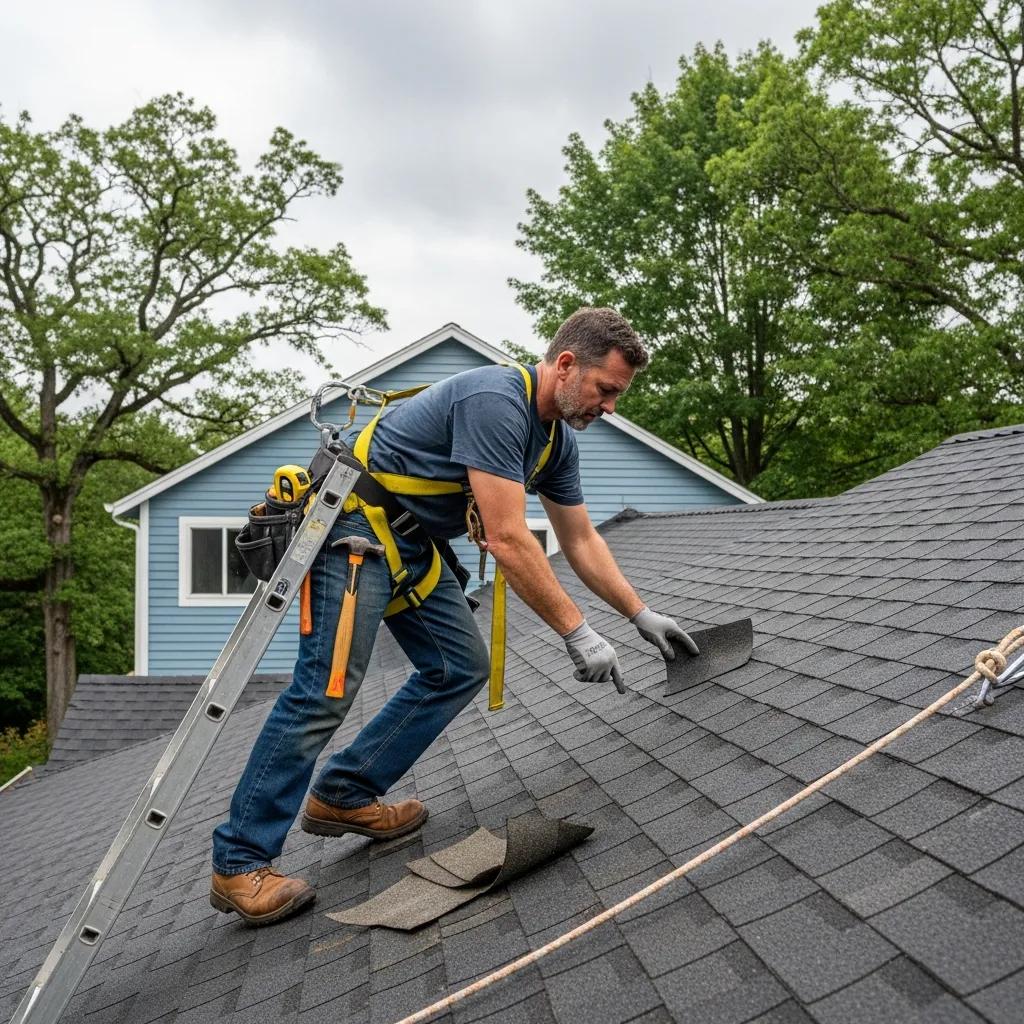
The timeline for storm damage roof repair can vary significantly based on several factors, including the extent of the damage and the type of repairs needed. Generally, homeowners can expect the repair process to take anywhere from a few days to several weeks. Timely repairs are essential to prevent further damage, and understanding the general estimates for different types of damage can help homeowners plan accordingly.
How Long Does Each Repair Stage Usually Take?
The roof repair process typically involves several stages, each with its own estimated duration.
- Initial Assessment: This stage usually takes 1-2 days, where a professional inspects the roof to determine the extent of the damage.
- Insurance Processing: Depending on the insurance company, this can take anywhere from a few days to several weeks, as they review the claim and approve the necessary repairs.
- Repair Work: Actual repair work can take 1-3 weeks, depending on the severity of the damage and the materials required.
Understanding these stages can help homeowners anticipate the overall timeline for their roof repairs.
What Is the Average Roof Repair Time After a Storm in Sonoma County?
In Sonoma County, the average roof repair time after a storm typically ranges from 1 to 4 weeks. Factors such as local weather conditions, contractor availability, and the complexity of the repairs can influence this timeline. Homeowners should be aware that while some repairs can be completed quickly, others may require more time, especially if extensive damage is involved.
How Does the Roof Damage Inspection Process Affect Repair Duration?
The roof damage inspection process plays a critical role in determining the repair timeline. A thorough inspection can expedite repairs by accurately identifying all areas of damage. Inspections typically take 1-2 days, and the findings can significantly influence how quickly repairs can begin.
What Are the Key Steps in a Professional Roof Damage Inspection?
A professional roof damage inspection involves several key steps:
- Visual Assessment: Inspectors examine the roof for visible damage, such as missing shingles or leaks.
- Structural Evaluation: This includes checking the integrity of the roof deck and supporting structures.
- Documentation: Inspectors often take photographs and notes to document the damage for insurance purposes.
These steps ensure that all damage is accounted for, which can help streamline the repair process.
How Does Inspection Accuracy Influence Repair Scheduling and Timing?
Accurate inspections are vital for effective repair scheduling. If an inspection misses critical damage, it can lead to delays in repairs as additional issues are discovered later. Regular inspections can help homeowners identify potential problems before they escalate, ultimately saving time and money.
How Do Insurance Claims Impact Storm Damage Roof Repair Timelines?
Insurance claims can significantly impact the timeline for storm damage roof repairs. The claims process can introduce delays, as homeowners must wait for their insurance company to assess the damage and approve the necessary funds for repairs.
What Is the Insurance Claim Process for Storm Damage Roof Repairs?
The insurance claim process typically involves the following steps:
- Filing a Claim: Homeowners must report the damage to their insurance company as soon as possible.
- Claim Assessment: An adjuster will evaluate the damage, which can take several days to weeks.
- Approval and Payment: Once approved, the insurance company will issue payment for the repairs.
Understanding this process can help homeowners navigate potential delays and plan their repairs accordingly.
How Does Insurance Approval Affect Repair Start and Completion Dates?
Insurance approval can directly affect when repairs can begin. If there are delays in the approval process, homeowners may have to wait longer for repairs to start. Additionally, the amount approved can influence the scope of repairs, potentially extending the timeline if additional work is required.
What Factors Influence the Duration of Storm Damage Roof Repairs?
Several factors can influence the duration of storm damage roof repairs, including:
- Extent of Damage: More severe damage typically requires more time to repair.
- Weather Conditions: Adverse weather can delay repair work.
- Contractor Availability: The availability of qualified contractors can impact how quickly repairs can be scheduled.
Understanding these factors can help homeowners set realistic expectations for their repair timelines.
How Do Weather Conditions and Local Climate Affect Repair Time?
Weather conditions and local climate play a significant role in determining repair timelines. For instance, heavy rain or snow can delay repairs, while mild weather may allow for quicker work. Homeowners should consider the seasonal weather patterns in Sonoma County when planning their repairs.
What Role Do Roofing Materials and Repair Methods Play in Repair Duration?
The choice of roofing materials and repair methods can also affect the duration of repairs. Some materials may require longer installation times or specialized techniques, which can extend the overall repair timeline. Homeowners should discuss material options with their contractors to understand how these choices may impact repair duration.
What Are the Emergency Roof Repair Timelines and Temporary Solutions?
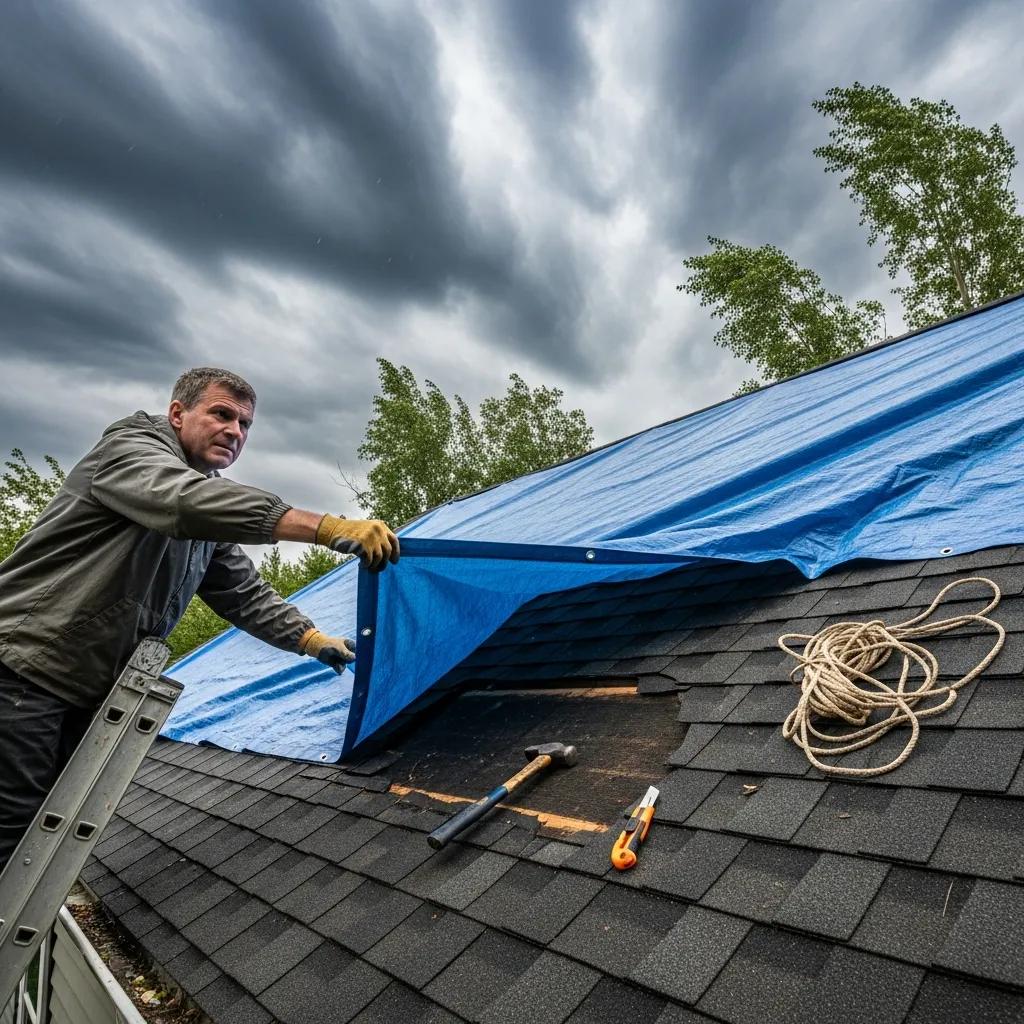
Emergency roof repairs are often necessary to prevent further damage after a storm.
How Quickly Can Emergency Repairs Be Initiated After Storm Damage?
Emergency repairs can typically be initiated within 24-48 hours after a storm, depending on contractor availability and the extent of the damage. Quick action is essential to mitigate further issues, such as leaks or structural damage.
What Temporary Measures Provide Immediate Protection Before Full Repair?
Homeowners can take several temporary measures to protect their roofs before full repairs are completed:
- Tarps: Covering damaged areas with tarps can prevent water intrusion.
- Sealants: Applying sealants to minor leaks can provide temporary relief.
- Patching: Creating temporary patches can help manage leaks until professional repairs can be made.
These measures can help protect the home while waiting for permanent repairs.
How Can Scheduling and Contractor Response Time Affect Your Roof Repair Duration?
The scheduling of repairs and the response time of contractors can significantly impact the overall duration of roof repairs.
What Is the Typical Contractor Response Time for Storm Damage Repairs?
Contractor response times can vary, but many contractors aim to respond within 24-48 hours after a storm. However, during peak seasons or after significant weather events, response times may be longer due to high demand.
How Can Homeowners Prepare to Expedite the Repair Process?
Homeowners can take several steps to expedite the repair process:
- Document Damage: Taking photos and notes can help streamline the insurance claim process.
- Contact Contractors Early: Reaching out to contractors as soon as possible can help secure timely repairs.
- Be Proactive: Regular roof inspections can help identify potential issues before they require emergency repairs.
By being proactive, homeowners can help ensure a smoother and quicker repair process.