How Long Does a Roof Last in Northern California?
How Long Does a Roof Last in Northern California?
The lifespan of a roof is a critical consideration for homeowners and property managers in Northern California, where diverse weather conditions can significantly impact residential roofing materials. Understanding how long different types of roofs last can help in planning maintenance and replacement schedules, ultimately saving money and ensuring safety. This article will explore the expected lifespans of various roofing materials, the effects of the local climate, and the signs that indicate when a roof may need replacement or repair. Additionally, we will discuss the benefits of professional roof inspections and how they can extend the lifespan of your roof.
What Are the Typical Lifespans of Roofing Materials in Northern California?
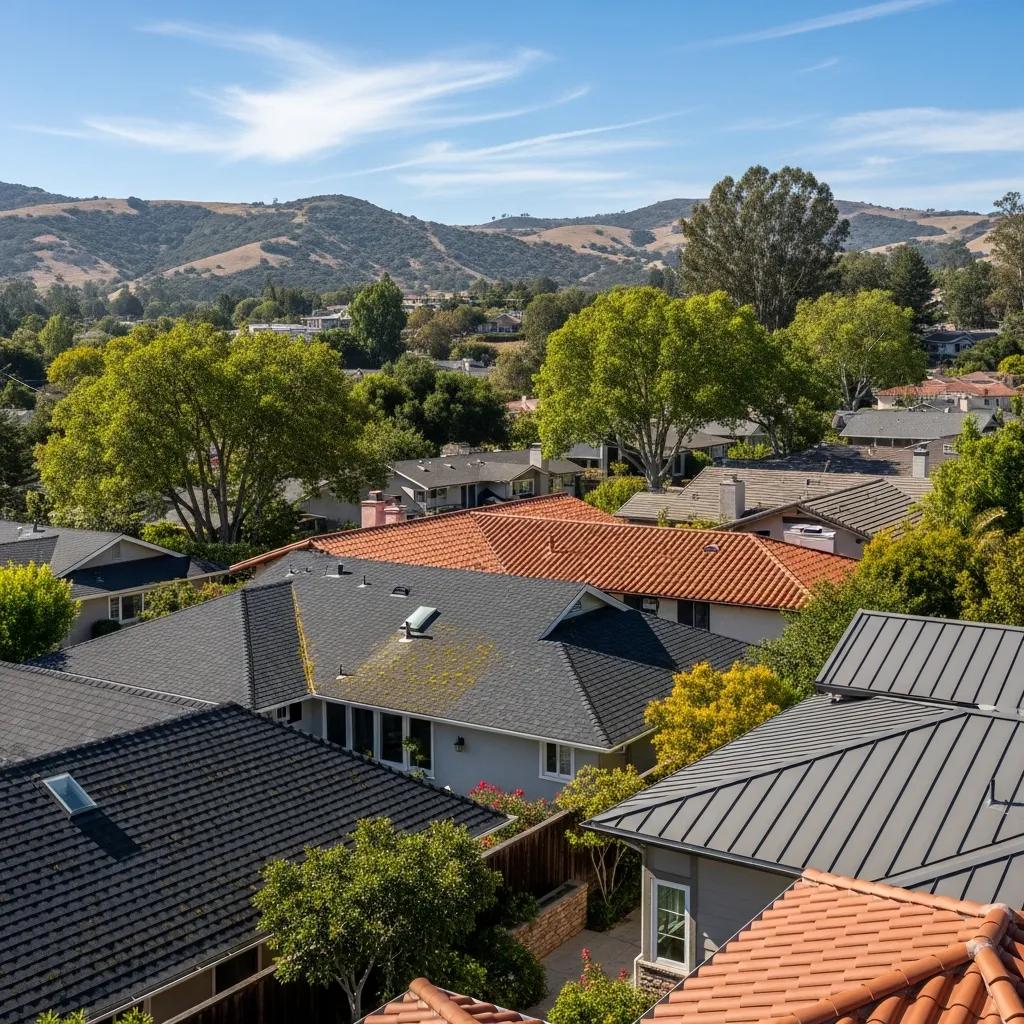
In Northern California, the lifespan of roofing materials varies widely based on the type of material used and the environmental conditions they face. Generally, asphalt shingles last about 15 to 30 years, while metal roofs can last 40 to 70 years. Tile roofs are known for their durability, often lasting over 50 years. Understanding these lifespans helps homeowners make informed decisions about their roofing options and maintenance strategies.
Further research highlights the significant market share of these materials in the California roofing industry, underscoring their widespread use and importance.
California Roofing Market & Material Lifespan
Shingles, tiles, and metal products comprise over 80% (by roof area) of the California roofing market (54-58% fiberglass shingle, 8-10% concrete tile, 8-10% clay tile, 7% metal, 3% wood shake, and 3% slate). In climates with significant demand for cooling energy, increasing roof solar reflectance reduces energy consumption in mechanically cooled buildings, and improves occupant comfort in non-conditioned buildings. This report examines method
Cool color roofing materials, R Levinson, 2006
How Long Do Asphalt Shingle Roofs Last in Sonoma County?
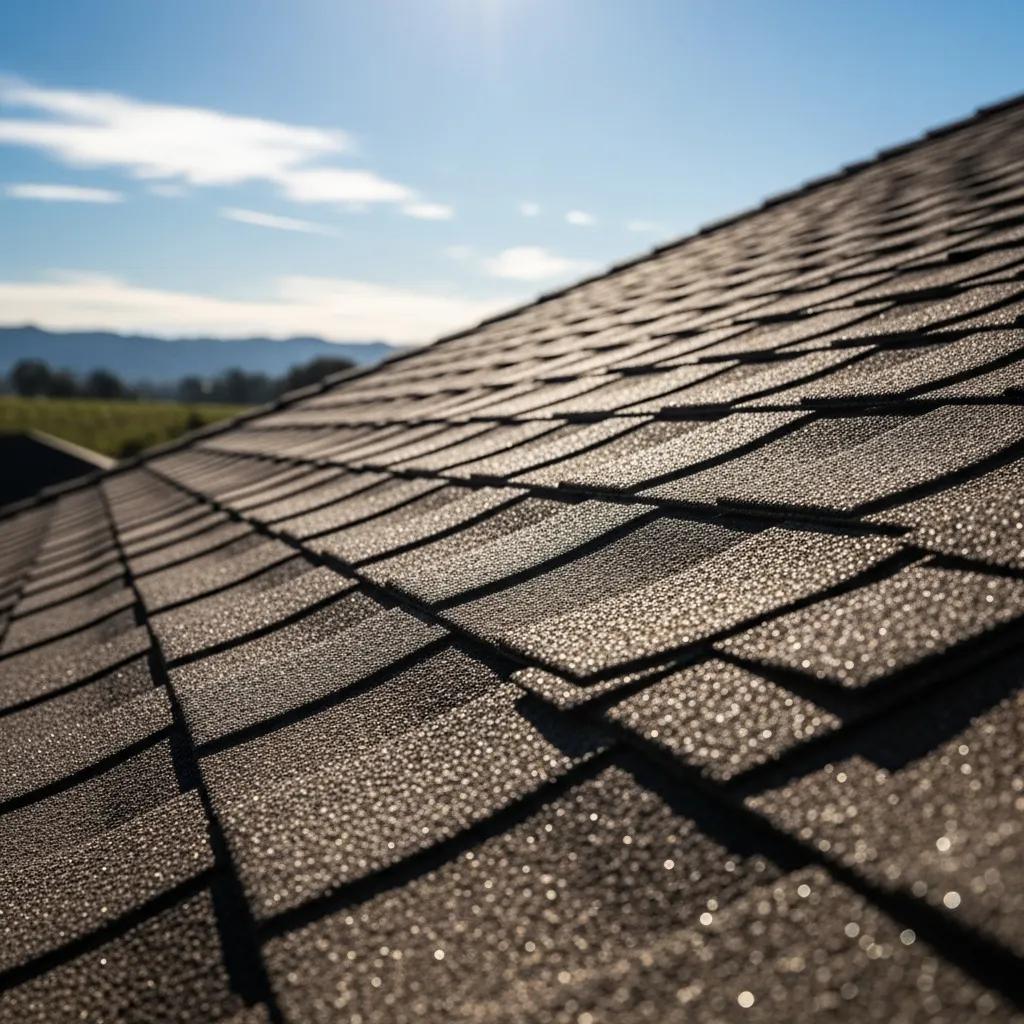
Asphalt shingle roofs in Sonoma County typically last between 20 to 30 years, depending on the quality of the shingles and the maintenance they receive. Factors such as exposure to sun, wind, and rain can affect their longevity. Regular maintenance, including inspections and timely repairs, can help extend the lifespan of asphalt shingles, ensuring they perform well throughout their expected life.
What Is the Durability of Tile and Metal Roofs in Northern California?
Tile and metal roofs are among the most durable roofing options available in Northern California. Tile roofs can last over 50 years, providing excellent resistance to the elements. Metal roofs, on the other hand, can last 40 to 70 years, depending on the material and installation quality. Both options require minimal maintenance compared to asphalt shingles, making them a popular choice for homeowners looking for longevity and durability.
How Does Northern California’s Climate Affect Roof Longevity?
The climate in Northern California plays a significant role in determining roof longevity. The region experiences a Mediterranean climate, characterized by wet winters and dry summers. This climate can lead to issues such as moss growth and water damage, particularly for roofs that are not well-maintained. Homeowners should consider the local climate when selecting roofing materials and plan for regular maintenance to mitigate potential damage.
What Local Weather Factors Influence Roof Durability?
Several local weather factors can influence roof durability in Northern California:
- Severe Weather Events: Occasional storms can cause significant damage to roofs, particularly if they are not designed to withstand high winds or heavy rain.
- Sun Exposure: Prolonged exposure to the sun can degrade roofing materials, especially asphalt shingles, leading to premature aging.
- Humidity Effects: High humidity levels can promote mold and mildew growth, which can damage roofing materials over time.
Understanding these factors can help homeowners take proactive measures to protect their roofs.
How Do Climate Conditions Affect Different Roofing Materials?
Different roofing materials respond uniquely to climate conditions. For instance, asphalt shingles may deteriorate faster in areas with high UV exposure, while metal roofs can reflect sunlight, reducing heat absorption and prolonging their lifespan. Tile roofs are highly resistant to moisture but can be heavy, requiring proper structural support. Homeowners should choose roofing materials that align with their specific climate conditions to maximize durability and performance. For more detailed information, see our roofing materials guide.
What Are the Signs You Need a Roof Replacement or Repair?
Recognizing the signs that indicate a roof may need replacement or repair is crucial for maintaining the integrity of a home. Common indicators include:
- Visible Damage: Cracked or missing shingles can expose the underlying structure to water damage.
- Water Leaks: Stains on ceilings or walls often indicate leaks that require immediate attention.
- High Energy Bills: Increased energy costs can signal poor insulation or ventilation due to roof issues.
Addressing these signs promptly can prevent more extensive damage and costly repairs. Learn more about signs you need a new roof.
Which Roof Damage Indicators Signal Imminent Replacement?
Certain indicators suggest that a roof may need imminent replacement:
- Cracked Shingles: Shingles that are cracked or curling are often beyond repair.
- Water Stains: Persistent water stains on ceilings indicate leaks that may compromise the roof’s integrity.
- Sagging Roof Lines: A sagging roof can indicate structural issues that require immediate attention.
Homeowners should consult with roofing professionals if they notice these signs to determine the best course of action. For guidance on deciding between repair and replacement, visit our roof repair vs replacement page.
How Can Regular Inspections Detect Roof Problems Early?
Regular roof inspections are essential for identifying potential issues before they escalate into major problems. These inspections can help homeowners:
- Save on Repair Costs: Early detection of minor issues can prevent costly repairs down the line.
- Extend Roof Lifespan: Regular maintenance can significantly prolong the life of a roof.
- Ensure Safety: Inspections can identify safety hazards, such as structural weaknesses or water damage.
What Are the Benefits of Professional Roof Inspections in Northern California?
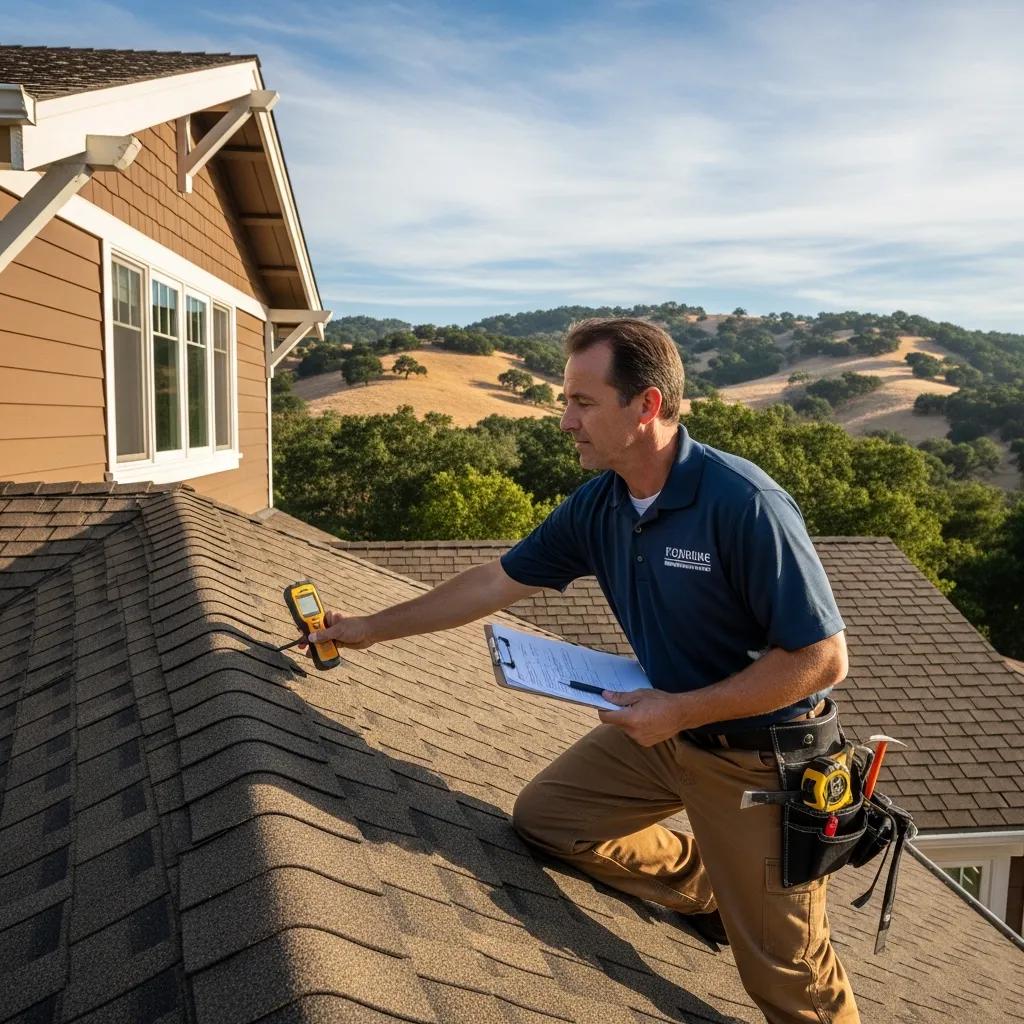
Professional roof inspections offer several benefits, including:
- Early Detection of Issues: Professionals can identify problems that may not be visible to the untrained eye.
- Cost Savings: Addressing issues early can save homeowners money on repairs and replacements.
- Increased Property Value: A well-maintained roof can enhance the overall value of a property.
For homeowners in Northern California, investing in professional roof inspections can be a wise decision to ensure the longevity and safety of their roofs.
How Do Free Roof Inspections Help Extend Roof Lifespan?
Free roof inspections can be an excellent way for homeowners to assess the condition of their roofs without financial commitment. These inspections often include:
- Comprehensive Assessments: Professionals evaluate the roof’s condition, identifying any potential issues.
- Maintenance Recommendations: Homeowners receive tailored advice on how to maintain their roofs effectively.
- Cost-Effective Solutions: Early detection of problems can lead to more affordable repair options.
By taking advantage of free roof inspections, homeowners can proactively manage their roof’s health and extend its lifespan.
What Does a Comprehensive Roof Inspection Include?
A comprehensive roof inspection typically includes:
- Exterior and Interior Inspection: Evaluating both the visible and hidden aspects of the roof.
- Flashing and Sealant Checks: Ensuring that all seals are intact to prevent leaks.
- Documentation of Findings: Providing a detailed report of the roof’s condition and any recommended actions.
This thorough approach helps homeowners understand their roof’s health and plan for necessary maintenance.
How Much Does Roof Replacement Cost in Northern California?
The cost of roof replacement in Northern California can vary widely based on several factors, including the type of material chosen, the size of the roof, and labor costs. On average, homeowners can expect to pay between $10,000 and $30,000 for a complete roof replacement. Understanding these costs can help homeowners budget effectively for this significant investment.
What Factors Influence Roof Replacement Pricing in Sonoma County?
Several factors influence roof replacement pricing in Sonoma County:
- Local Climate: Areas with harsher weather conditions may require more durable materials, increasing costs.
- Material Type: Different roofing materials come with varying price points, affecting overall replacement costs.
- Roof Size and Complexity: Larger or more complex roofs will generally incur higher labor and material costs.
By considering these factors, homeowners can make informed decisions about their roofing projects.
What Financing Options Are Available for Roof Replacement?
Homeowners in Northern California have several financing options available for roof replacement, including:
- Roofing Loans: Specialized loans designed for home improvement projects.
- Interest-Free Options: Some contractors offer financing plans with no interest for a specified period.
- Long-Term Financing: Extended payment plans that allow homeowners to spread the cost over several years.
Exploring these options can help homeowners manage the financial aspects of roof replacement more effectively.
What Are the Best Roofing Materials for Longevity and Performance in California?
When considering roofing materials for longevity and performance in California, several options stand out:
- Metal Roofing: Known for its durability and longevity, metal roofing can withstand harsh weather conditions.
- Tile Roofing: Offers excellent durability and aesthetic appeal, making it a popular choice in the region.
- Asphalt Shingles: While less durable than metal or tile, high-quality asphalt shingles can still provide a reasonable lifespan with proper maintenance.
Choosing the right material is essential for ensuring a roof that lasts and performs well in the local climate.
Which Roofing Materials Offer the Longest Warranties and Durability?
Roofing materials that offer the longest warranties and durability include:
- Metal Roofs: Often come with warranties of 40 years or more, reflecting their long lifespan.
- Tile Roofs: Typically offer warranties of 50 years, showcasing their durability.
- High-Quality Asphalt Shingles: Some premium asphalt shingles come with warranties of up to 30 years.
Selecting materials with robust warranties can provide peace of mind and assurance of quality.
How Do Maintenance Practices Enhance Roof Lifespan?
Implementing effective maintenance practices can significantly enhance the lifespan of a roof. Key practices include:
- Regular Inspections: Scheduling professional inspections at least once a year can help identify issues early.
- Gutter Cleaning: Keeping gutters clear of debris prevents water buildup that can damage roofing materials.
- Trimming Overhanging Branches: Preventing branches from rubbing against the roof can reduce wear and tear.
By following these maintenance practices, homeowners can ensure their roofs remain in optimal condition for years to come.