Emergency Roof Tarping: What to Do After Storm Damage
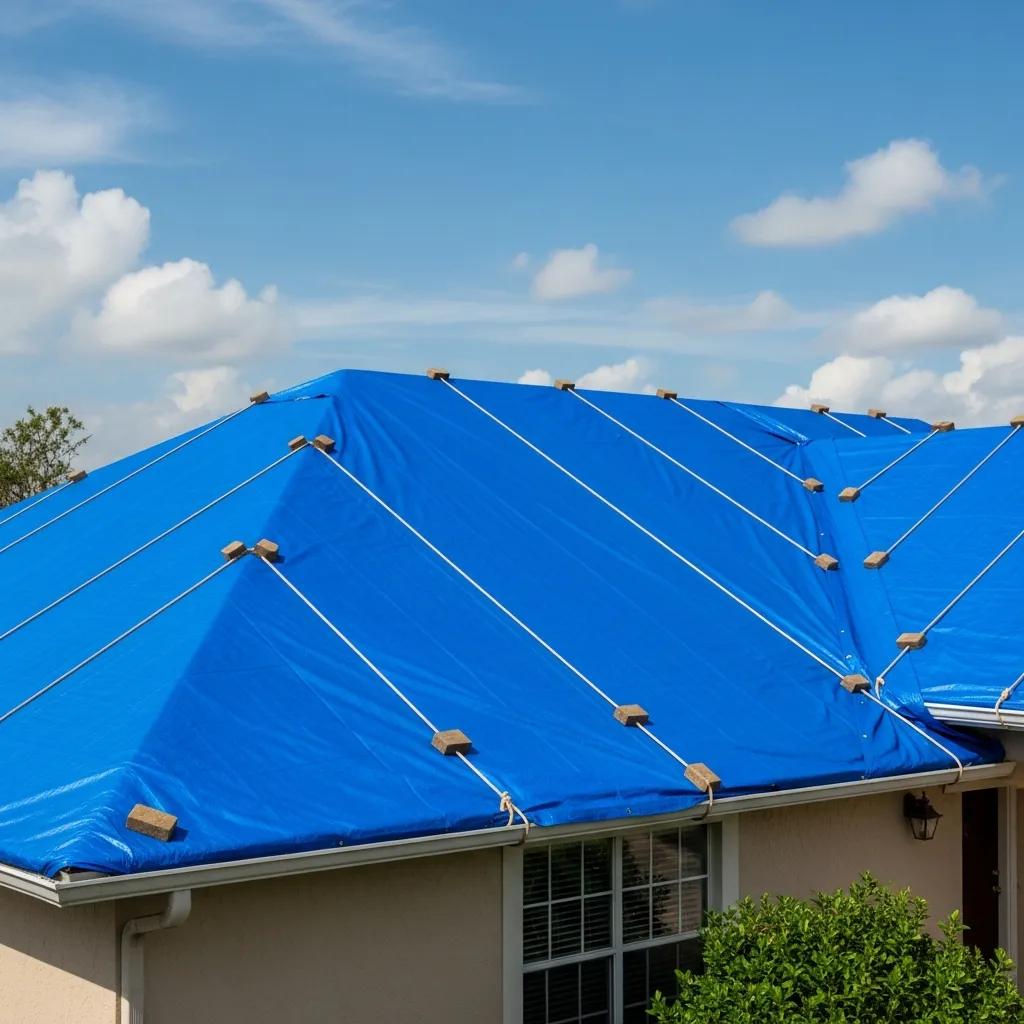
Emergency Roof Tarping: What to Do After Storm Damage
Storms can cause significant damage to roofs, leading to leaks and structural issues that require immediate attention. Emergency roof tarping is a crucial step in protecting your home from further damage after a storm. This article will guide you through the essential steps of emergency roof tarping, how to assess storm damage, and the materials and techniques needed for effective temporary repairs. Additionally, we will discuss the costs associated with roof tarp installation and how to navigate insurance claims. By understanding these processes, homeowners can take proactive measures to safeguard their properties and ensure a swift recovery.
The critical role of temporary protection systems in safeguarding structures from further weather-related damage is further highlighted by research.
Emergency Protection Systems for Roofs After Storms
During this period to work safely, comfortably and without letting the structure deteriorate further due to external weather conditions such as rain, wind and snow on the roofing structure, outer facades and even in the foundations, temporary cover systems or, more appropriately, emergency protection systems are designed and applied.
A survey on the efficiency and safety of the temporary cover systems in architectural conservation and restoration works, CŞ Binan, 2015
Emergency Roof Tarping: Essential Steps to Protect Your Home After Storm Damage
When faced with storm damage, taking immediate action is vital to prevent further issues. Emergency roof tarping involves several essential steps that homeowners should follow:
- Safety Precautions: Before approaching the roof, ensure you have the right safety gear, including a hard hat, gloves, and non-slip shoes. Avoid working on the roof during high winds or heavy rain.
- Materials Needed: Gather necessary materials such as a heavy-duty tarp, roofing nails, a hammer, and a utility knife. These items will help you secure the tarp effectively.
- Tarp Application: Start by laying the tarp over the damaged area, ensuring it extends at least three feet beyond the edges of the damage. Secure the tarp with roofing nails, making sure it is tight to prevent water from seeping underneath.
For homeowners in need of professional assistance, Sutter Roofing Systems specializes in emergency roof tarp installation, providing rapid response to storm damage and expert installation by certified professionals.
How to Assess Storm Damage for Effective Emergency Roof Tarping
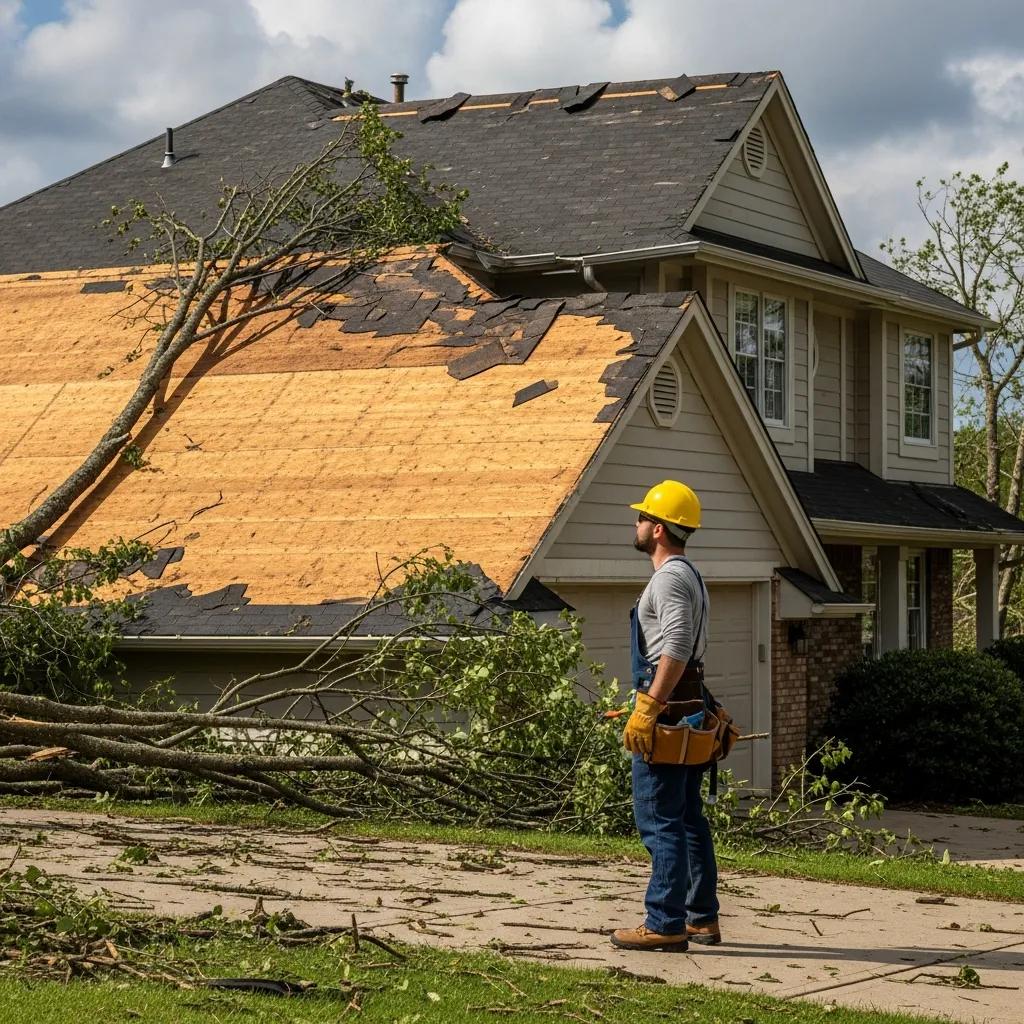
Assessing storm damage is crucial for determining the need for emergency roof tarping. Here are some guidelines to follow:
- Visual Inspection Techniques: Begin with a thorough visual inspection of your roof from the ground. Look for missing shingles, sagging areas, or visible leaks.
- Identifying Leaks and Damage: Check your attic for signs of water intrusion, such as damp spots or mold growth. Document any visible damage for insurance purposes.
- Documenting Damage for Insurance: Take clear photographs of the damage to support your insurance claim. This documentation will be essential when filing for repairs.
The importance of accurate damage assessment and documentation extends to disaster recovery efforts, often involving agencies like FEMA.
Blue Tarp Measurement & FEMA for Disaster Recovery
collected to cost-effectively measure blue tarps on buildings Federal Emergency Management Agency (FEMA) (bottom). Additionally, by limiting the analysis to occupied residential.
Classifying building roof damage using high resolution imagery for disaster recovery, Y Ahn, 2023
What are the common signs of roof damage after a storm?
Identifying signs of roof damage after a storm is essential for timely repairs. Common indicators include:
- Missing Shingles: Look for any shingles that have been blown off or are visibly damaged.
- Granule Loss: Check for granules in your gutters or on the ground, which can indicate shingle deterioration.
- Visible Leaks: Inspect your ceilings and walls for water stains or dampness, which may signal a leak.
When should you request a professional roof inspection?
Requesting a professional roof inspection is crucial after experiencing a storm. Consider the following:
- Annual Inspection Recommendations: Regular inspections can help identify potential issues before they escalate.
- Post-Storm Inspection Importance: After a storm, it is essential to have a professional assess any damage that may not be visible from the ground.
What Materials and Techniques Ensure Reliable Temporary Roof Repair?
Using the right materials and techniques is vital for effective temporary roof repairs. Key considerations include:
- Types of Tarps: Heavy-duty tarps are recommended for their durability and water resistance. Ensure the tarp is large enough to cover the damaged area adequately.
- Securing Techniques: Use roofing nails or weighted objects to secure the tarp in place, preventing it from being dislodged by wind or rain.
How to Navigate Roof Tarp Installation Costs and Insurance Claims
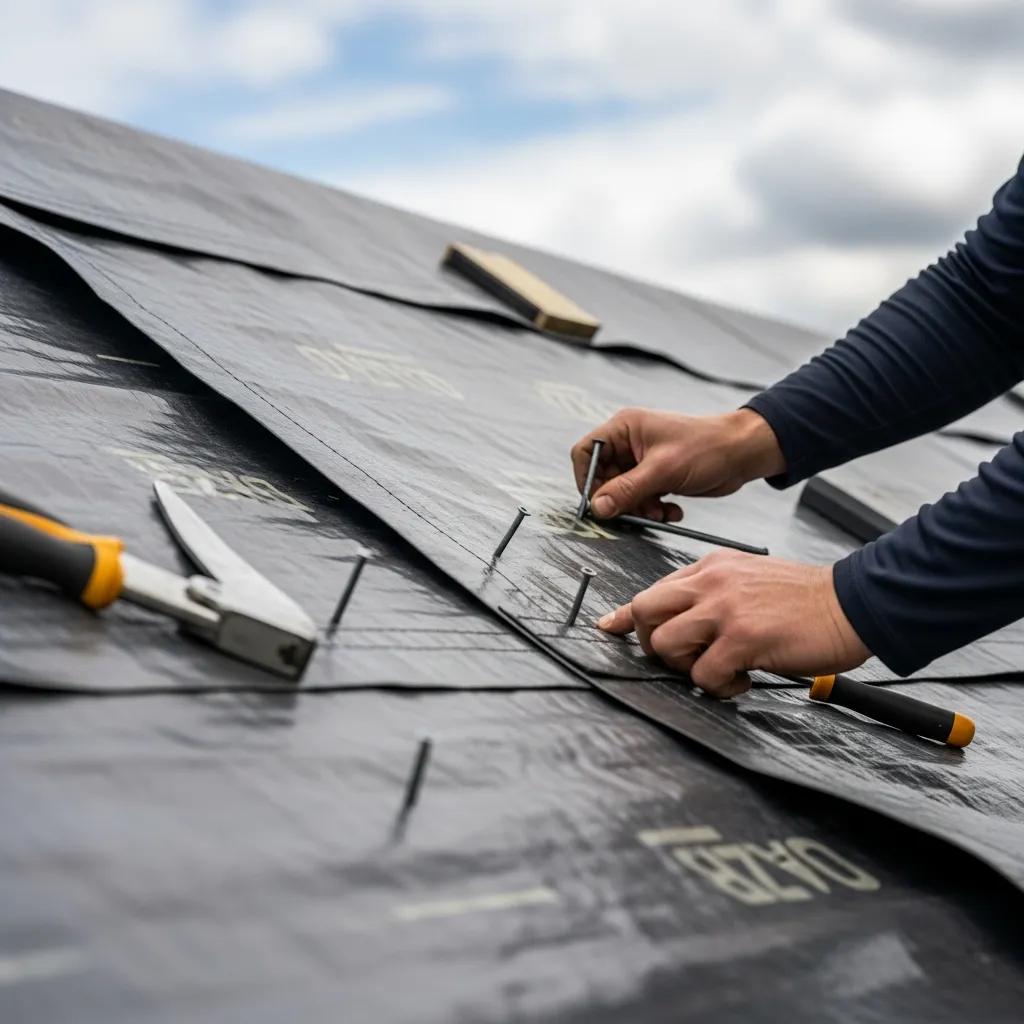
Understanding the costs associated with roof tarp installation and the insurance claims process can help homeowners make informed decisions.
- Cost Assessment: The cost of emergency roof tarping can vary based on the size of the area covered and the materials used. On average, homeowners can expect to pay between $200 and $500 for professional installation.
- Insurance Claim Process: Document all damage and expenses related to the tarp installation. Contact your insurance provider to understand your coverage and the claims process.
| Cost Factor | Description | Estimated Value |
|---|---|---|
| Tarp Size | Larger tarps may cost more due to material and installation complexity | $100 – $300 |
| Labor | Professional installation fees vary based on local rates | $100 – $200 |
| Total Cost | Overall cost for emergency tarping services | $200 – $500 |
This table illustrates the various cost factors involved in emergency roof tarping, helping homeowners budget for necessary repairs.
What factors influence the cost of emergency roof tarping services?
Several factors can influence the pricing of emergency tarping services, including:
- Severity of Damage: More extensive damage may require additional materials and labor, increasing costs.
- Material Costs: The type of tarp and securing materials used can affect the overall price.
- Labor Costs: Local labor rates can vary, impacting the total cost of installation.
Why Choose Sutter Roofing Systems for Emergency Roofing Services in Sonoma County
When selecting a roofing service provider, consider the following reasons to choose Sutter Roofing Systems:
- Local Expertise: Sutter Roofing Systems has extensive experience in handling storm damage in Sonoma County.
- Rapid Response: The company emphasizes quick response times to minimize further damage.
- Quality Guarantees: Sutter Roofing Systems offers guarantees on their work, ensuring customer satisfaction.
What expertise and guarantees set Sutter Roofing apart?
Sutter Roofing Systems stands out due to their commitment to quality and customer service. Key aspects include:
- Quality Craftsmanship: Their team of certified professionals ensures that all installations meet high standards.
- Comprehensive Services: Beyond tarping, Sutter Roofing offers a range of roofing solutions to address all types of damage.
How does Sutter Roofing ensure rapid response and quality craftsmanship?
Sutter Roofing Systems prioritizes customer needs by implementing the following measures:
- Emergency Service Availability: The company is available 24/7 to respond to urgent roofing needs.
- Regular Inspections: They conduct thorough inspections to identify potential issues before they become major problems.
What Safety Tips Should Homeowners Follow When Covering Roofs After Storms?
Safety is paramount when covering roofs after storms. Homeowners should adhere to these tips:
- Using Proper Safety Gear: Always wear a hard hat, gloves, and non-slip shoes when working on the roof.
- Avoiding Risky Situations: Do not attempt to tarp the roof during inclement weather or if you are unsure of your safety.
Can homeowners safely install roof tarps themselves?
Homeowners can install roof tarps themselves, but they should consider the following:
- Safety Considerations: Ensure you have the right safety equipment and are comfortable working at heights.
- When to Hire Professionals: If the damage is extensive or if you feel unsafe, it is best to hire a professional.
What precautions minimize risks during temporary roof repairs?
To minimize risks during temporary roof repairs, homeowners should:
- Weather Considerations: Avoid working on the roof during high winds or rain.
- Proper Tools and Materials: Use high-quality tarps and securing materials to ensure effectiveness.
How Long Can a Roof Tarp Protect Your Home and When to Schedule Permanent Repairs?
A roof tarp can provide temporary protection for several weeks, but it is essential to schedule permanent repairs as soon as possible. Delaying repairs can lead to further damage and increased costs.
When should permanent roof repair or replacement be planned?
Planning for permanent roof repairs should occur as soon as the immediate threat is addressed. Key considerations include:
- Regular Inspection Recommendations: Schedule inspections to assess the condition of your roof regularly.
- Post-Storm Inspection Importance: After a storm, prioritize a professional assessment to determine the extent of damage and necessary repairs.