Best Roofing Materials for Fire-Prone Areas in California
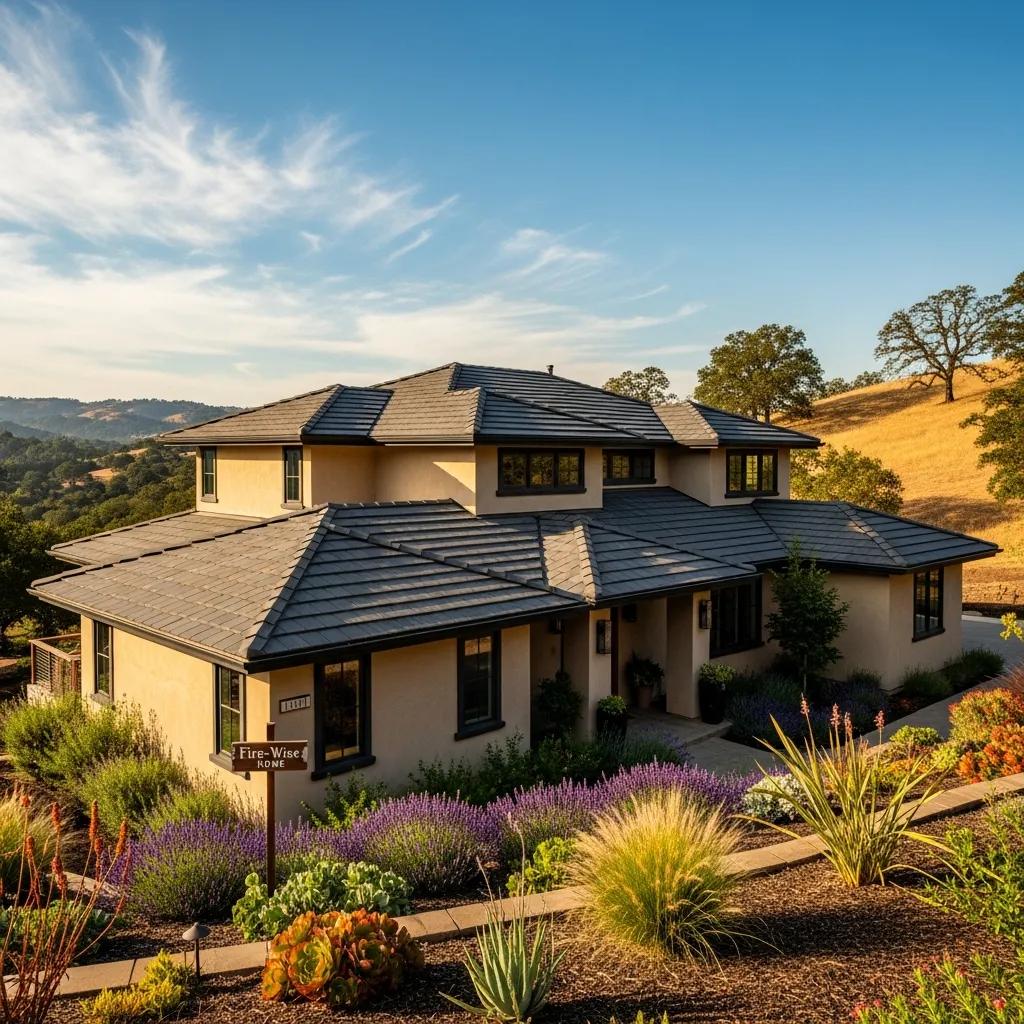
Best Fire Resistant Roofing Materials for Fire-Prone Areas in California
In California, particularly in regions prone to wildfires, selecting the right roofing materials is crucial for ensuring safety and compliance with local regulations. This article delves into the best fire-resistant roofing materials available, focusing on their features, benefits, and compliance with California’s stringent wildfire safety standards. Homeowners often face the challenge of balancing aesthetic appeal with safety, and understanding the options can help them make informed decisions. We will explore various materials, including Class A fire-rated shingles, metal, and tile roofing, and discuss how California’s building codes influence these choices. Additionally, we will provide insights into installation best practices and financing options available for homeowners. For a comprehensive overview, refer to our roofing materials guide.
What Are the Top Fire Resistant Roofing Materials Suitable for California Wildfire Zones?
When it comes to fire-resistant roofing materials, several options stand out for their effectiveness in protecting homes from wildfires. The most recommended materials include:
- Class A Fire Rated Shingles: These shingles are designed to withstand severe fire exposure and are often made from fiberglass or asphalt.
- Metal Roofing: Known for its durability and fire resistance, metal roofing can effectively deflect heat and embers.
- Tile Roofing: Clay and concrete tiles are not only aesthetically pleasing but also provide excellent fire resistance.
These materials not only comply with California’s wildfire safety regulations but also offer homeowners peace of mind. For those considering installation, Sutter Roofing Systems specializes in providing high-quality fire-resistant roofing solutions tailored to the unique needs of fire-prone areas. Learn more about our residential roofing services.
Class A Fire Rated Shingles: Features and Benefits
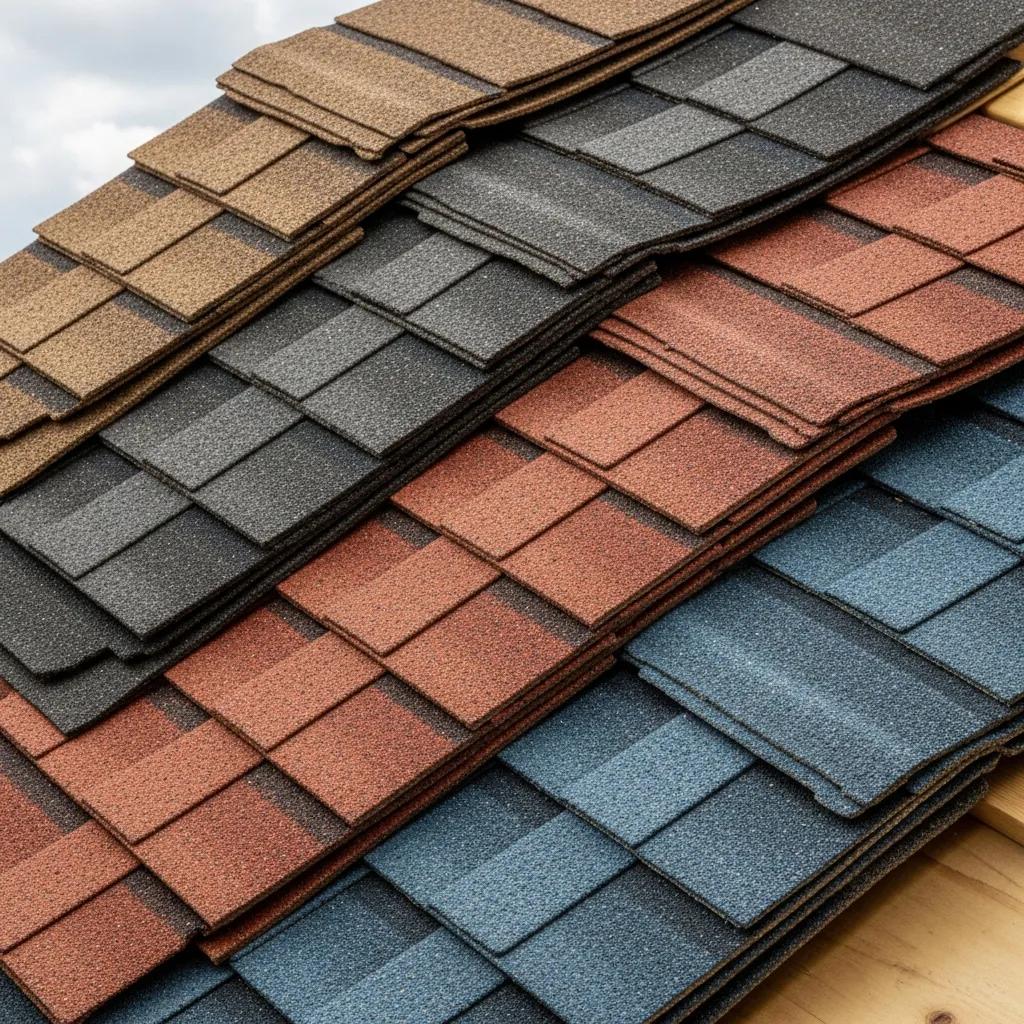
Class A fire-rated shingles are among the most effective roofing materials for fire-prone areas. They are constructed to resist flames and prevent the spread of fire, making them a top choice for homeowners in California.
The importance of Class A fire-rated systems for residential safety is well-documented in fire prevention research.
Class A Fire Rated Roof Systems for Residential Fire Prevention
Because residential roof fires remain a life-threatening danger to residential homeowners in the United States, we describe in detail a national fire prevention program for reducing residential roof fires by use of an Underwriters Laboratories Inc. (UL) and National Fire Protection Association Class A fire rated roof system. This Class A system should comply with the test requirements for fire resistance of roof coverings, as outlined in UL 790 or in ASTM International (ASTM) E-108. Both the Asphalt Roofing Manufacturer’s Association (ARMA) and the National Roofing Contractors Association (NRCA) have set up guidelines for selecting a new roof for the homeowner. Class A, fiber-glass-based asphalt roofing shingles represent an overwhelming share of the United States residential roofing market, and, as such, the Class A rated roofing system remains an excellent alternative to wood shingles and shakes.
Prevention of residential roof fires by use of a class” A” fire rated roof system, 2004
- Fire Rating Explanation: Class A shingles are tested under rigorous conditions to ensure they can withstand direct flame exposure.
- Durability and Longevity: These shingles are designed to last, often with warranties extending up to 30 years, providing long-term protection.
- Aesthetic Options: Available in various colors and styles, Class A shingles can enhance the visual appeal of a home while ensuring safety.
The combination of fire resistance and aesthetic versatility makes Class A shingles a popular choice among homeowners.
Metal and Tile Roofing Options for Wildfire Resistance
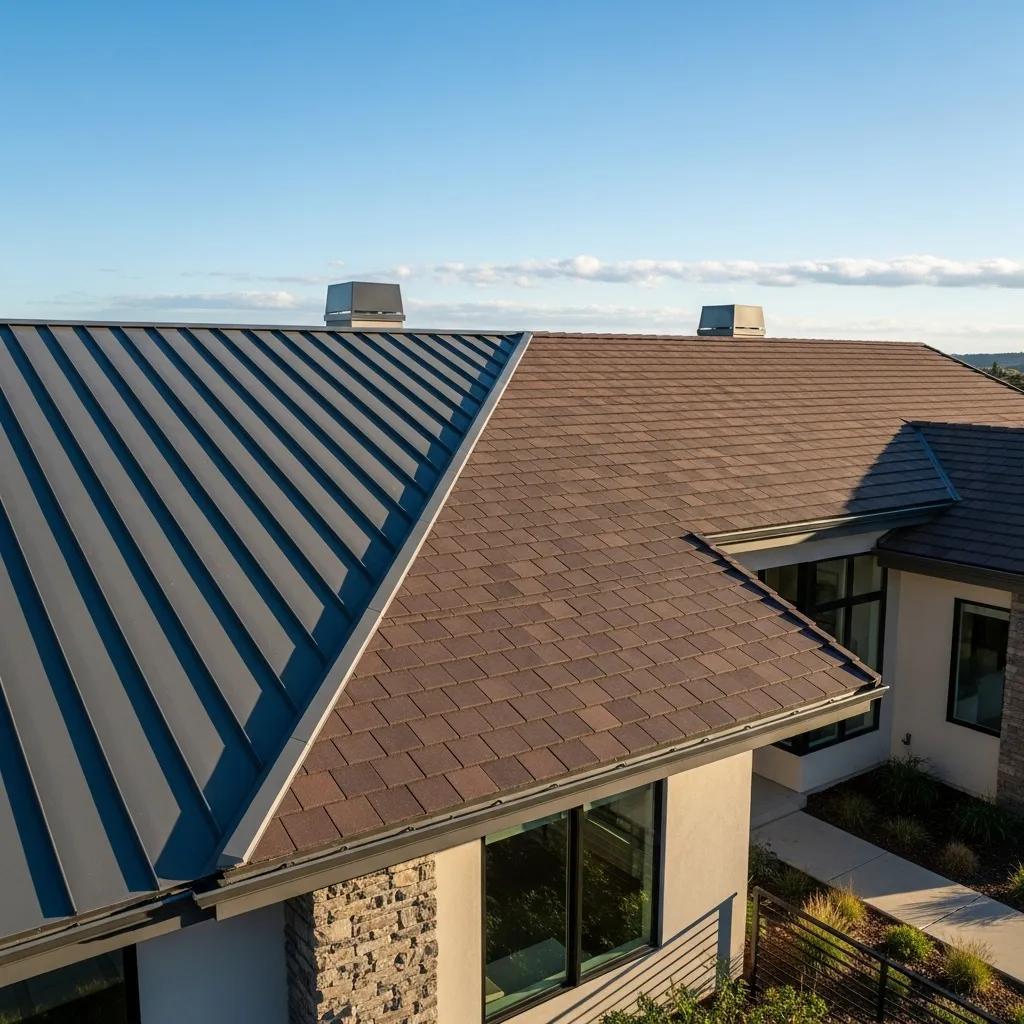
Metal and tile roofing options are also highly regarded for their fire-resistant properties.
- Fire Resistance Properties of Metal Roofing: Metal roofs are non-combustible and can withstand high temperatures, making them ideal for areas at risk of wildfires. They also reflect heat, which can help in energy conservation. For more details, see our page on metal roofing in Northern California.
- Benefits of Tile Roofing: Tile roofs, particularly those made from clay or concrete, are naturally fire-resistant and can last for decades with minimal maintenance. Their weight and durability also provide additional protection against wind and debris. Compare options in our tile vs asphalt shingles guide.
- Cost Considerations: While the initial investment for metal and tile roofing may be higher than traditional materials, their longevity and low maintenance costs can lead to significant savings over time.
Both metal and tile roofing options provide excellent fire resistance, making them suitable choices for homeowners in wildfire-prone areas.
How Do California Wildfire Building Codes Influence Roofing Material Selection?
California’s building codes are designed to enhance fire safety and reduce the risk of wildfire damage. These codes dictate the types of materials that can be used in construction, particularly in high-risk areas.
Research further supports the effectiveness of these codes in promoting the adoption of fire-resistant materials, especially in wildfire-prone regions.
California Building Codes & Fire-Resistant Material Adoption
We find that homes built after California’s comprehensive building code change in 2008 and homes located in Firewise communities or wildland urban intermix (WUI) areas all exhibit strong, positive effect sizes for adopting higher levels of fire-resistant home building materials. Findings from this study may help to identify where public policy is making strides in wildfire resilience and where improvement and investment are needed.
Building better: an analysis of the determinants of wildfire building code adoption in California, 2008
- Overview of California Building Codes: The codes require that roofing materials meet specific fire-resistance ratings, with Class A being the highest.
- Requirements for Fire-Resistant Materials: Homeowners must ensure that their roofing choices comply with these regulations to avoid penalties and ensure safety.
- Local Compliance Strategies: Engaging with local roofing experts, such as Sutter Roofing Systems, can help homeowners navigate these regulations effectively.
Understanding these codes is essential for homeowners looking to protect their properties from wildfires.
Understanding California Fire Safe Roofing Requirements
California’s fire safe roofing requirements are critical for ensuring that homes are equipped to withstand wildfires.
- Key Fire Safety Regulations: The state mandates that all roofing materials used in designated fire zones must have a Class A fire rating.
- Importance of Compliance: Adhering to these regulations not only protects homes but also helps in maintaining insurance coverage.
- Consequences of Non-Compliance: Failure to comply with fire safety regulations can result in fines and increased vulnerability to fire damage.
Homeowners should prioritize compliance with these requirements when selecting roofing materials.
Compliance Strategies for Fire Resistant Roof Installation
Ensuring compliance during the installation of fire-resistant roofs is vital for maximizing safety and effectiveness.
- Using Fire-Resistant Materials: Always select materials that meet or exceed California’s fire safety standards.
- Proper Installation Techniques: Engaging qualified roofing professionals ensures that materials are installed correctly, enhancing their fire-resistant properties.
- Regular Inspections: Routine inspections can help identify potential issues before they become significant problems, ensuring ongoing compliance and safety. For related repairs, consider our storm damage roof repair services.
By following these strategies, homeowners can ensure their roofing systems are both compliant and effective in fire prevention.
What Are the Installation and Maintenance Best Practices for Fireproof Roofing?
Proper installation and maintenance of fireproof roofing are essential for maximizing their effectiveness.
- Installation Techniques: It is crucial to follow manufacturer guidelines and local building codes during installation to ensure optimal performance.
- Maintenance Tips: Regular cleaning and inspection of roofs can prevent debris buildup, which can ignite during a fire.
- Common Issues to Watch For: Homeowners should be vigilant for signs of wear or damage, such as cracked tiles or loose shingles, which can compromise fire resistance.
Implementing these best practices can significantly enhance the longevity and effectiveness of fire-resistant roofing.
Step-by-Step Installation Process for Fire Resistant Roofs
Installing fire-resistant roofs involves several critical steps to ensure safety and compliance.
- Preparation Steps: Begin by assessing the existing roof structure and removing any old materials.
- Installation Phases: Follow a systematic approach, starting with underlayment installation, followed by the placement of fire-resistant shingles or tiles.
- Final Inspection: Conduct a thorough inspection to ensure all materials are installed correctly and meet safety standards.
Following this structured process can help ensure a successful installation of fire-resistant roofing.
Routine Maintenance to Ensure Long-Term Fire Resistance
Maintaining fire-resistant roofs is essential for ensuring their long-term effectiveness.
- Regular Inspections: Homeowners should schedule inspections at least once a year to check for damage or wear.
- Cleaning and Upkeep: Keeping roofs clear of debris, such as leaves and branches, can prevent fire hazards.
- Addressing Damage Promptly: Any signs of damage should be repaired immediately to maintain the roof’s fire-resistant properties.
By adhering to these maintenance practices, homeowners can prolong the life and effectiveness of their fire-resistant roofs.
How Can Homeowners Assess Costs and Financing for Fire Resistant Roofing?
Evaluating the costs and financing options for fire-resistant roofing is crucial for homeowners.
- Consulting with Experts: Engaging with roofing professionals can provide insights into the best materials and their associated costs.
- Comparing Materials: Homeowners should consider the long-term savings associated with different materials, as some may have higher upfront costs but lower maintenance expenses.
- Exploring Financing Options: Sutter Roofing Systems offers financing options, including free roof inspections and quotes, to help homeowners manage costs effectively.
Understanding these factors can help homeowners make informed financial decisions regarding their roofing projects.
Detailed Cost Breakdown of Fire Resistant Roofing Materials and Services
When considering fire-resistant roofing, it’s essential to understand the associated costs.
- Cost Comparison of Materials: Class A fire-rated shingles typically range from $3 to $5 per square foot, while metal roofing can cost between $7 and $12 per square foot.
- Installation Costs: Professional installation can add an additional $2 to $4 per square foot, depending on the complexity of the project.
- Long-Term Savings: Investing in fire-resistant materials can lead to lower insurance premiums and reduced maintenance costs over time.
This cost breakdown highlights the financial considerations homeowners should keep in mind when selecting fire-resistant roofing options.
Available Financing Options and Insurance Benefits
Homeowners can explore various financing options and insurance benefits when investing in fire-resistant roofing.
- Types of Financing Available: Sutter Roofing Systems offers unsecured loans up to $45,000 with no application or origination fees, making it easier for homeowners to afford quality roofing solutions.
- Insurance Benefits for Fire-Resistant Roofs: Many insurance companies offer discounts for homes equipped with fire-resistant roofing materials, providing additional financial incentives.
- Contact Information for Inquiries: Homeowners interested in financing options can reach out to Sutter Roofing Systems for more information.
These financing options can significantly ease the financial burden of upgrading to fire-resistant roofing.
Why Choose Local Experts Like Sutter Roofing Systems for Fire Resistant Roofing?
Choosing local experts for fire-resistant roofing projects offers several advantages.
- Local Expertise: Sutter Roofing Systems specializes in roofing solutions tailored to the unique challenges of fire-prone areas in California.
- Quality Materials: The company emphasizes the use of high-quality, fire-resistant materials that comply with California’s safety standards.
- Comprehensive Services: From free inspections to expert installation, Sutter Roofing Systems provides a full range of services to ensure customer satisfaction.
Working with local experts can enhance the overall experience and outcome of roofing projects.
Advantages of Working with Sonoma County Roofing Specialists
Hiring local roofing specialists in Sonoma County comes with distinct benefits.
- Understanding Local Challenges: Local experts are familiar with the specific fire risks and building codes in the area, ensuring compliance and safety.
- Quality and Safety: Local contractors often prioritize quality workmanship and materials, leading to safer and more durable roofing solutions.
- Community Involvement: Supporting local businesses fosters community growth and ensures that homeowners receive personalized service.
These advantages make local roofing specialists a valuable resource for homeowners in fire-prone areas.
Customer Testimonials and Proven Track Record in Wildfire Roofing
Customer testimonials can provide insight into the reliability and quality of roofing services.
- Customer Satisfaction: Many homeowners have reported high levels of satisfaction with the fire-resistant roofing solutions provided by Sutter Roofing Systems.
- Successful Projects: The company has a proven track record of successfully completing roofing projects in wildfire-prone areas, demonstrating their expertise and commitment to safety.
- Trust and Reliability: Positive feedback from previous clients highlights the trustworthiness and reliability of local roofing specialists.
These testimonials underscore the importance of choosing experienced professionals for fire-resistant roofing needs.