Roof Repair vs. Roof Replacement: Complete Homeowner's Guide
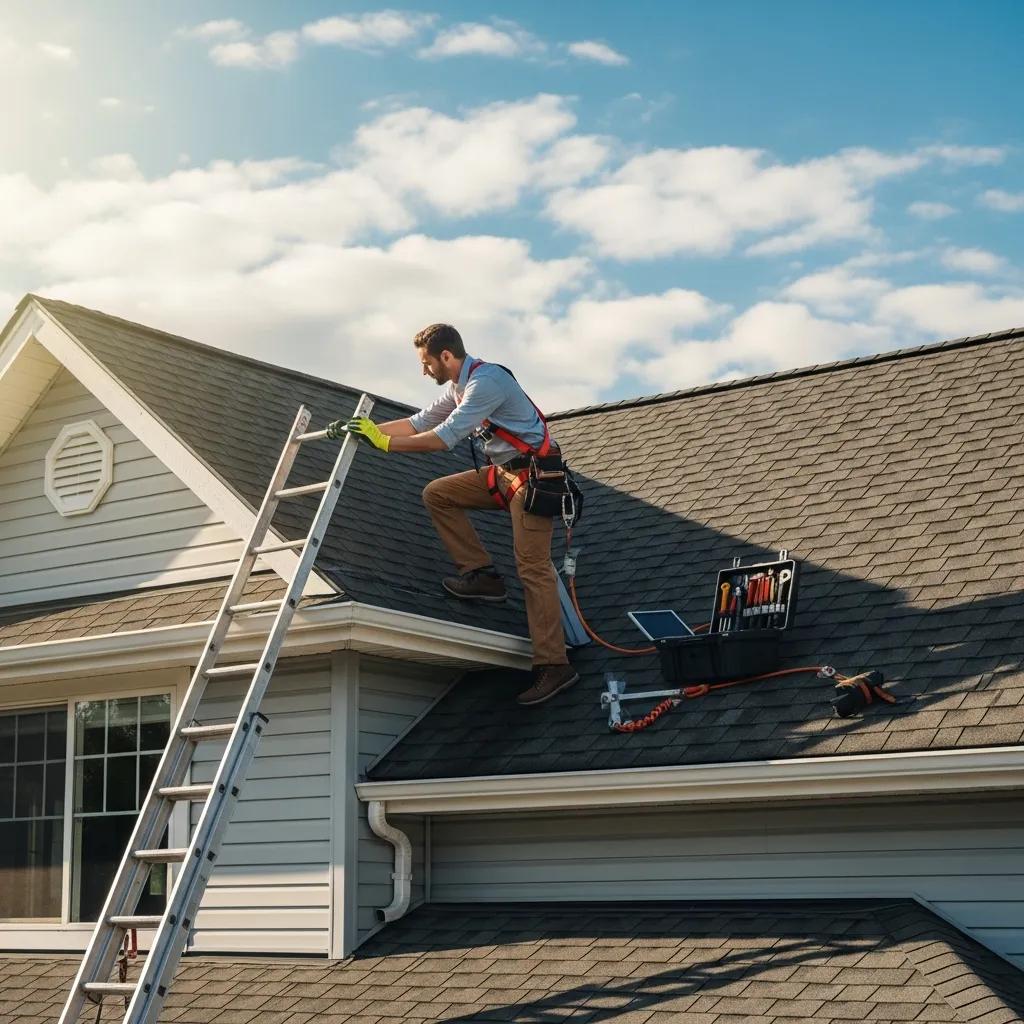
Roof Repair vs. Roof Replacement: Complete Homeowner's Guide
Deciding between roof repair and roof replacement can be a daunting task for homeowners. Understanding the nuances of each option is crucial for making an informed decision that protects your investment and ensures the safety of your home. This comprehensive guide will explore the signs of roof damage, the factors influencing repair versus replacement, and the costs associated with each option. By the end of this article, you will have a clearer understanding of when to repair your roof and when it might be time for a complete replacement.
In this guide, we will cover essential topics such as identifying signs of roof damage, understanding the impact of local climate on roofing, and evaluating the costs of repair and replacement. Additionally, we will discuss the importance of professional roof inspections and how they can guide your decision-making process. With this knowledge, you can confidently navigate the complexities of roof maintenance and make the best choice for your home, whether you need residential roofing services or other solutions.
How Do You Identify the Signs of Roof Damage?
Identifying signs of roof damage is the first step in determining whether you need repairs or a full replacement. Common indicators include missing shingles, water stains on ceilings, and high energy bills. These signs can indicate underlying issues that may require immediate attention to prevent further damage.
- Missing Shingles: A clear sign of roof damage, missing shingles can expose your roof to leaks and further deterioration.
- Water Stains on Ceilings: Stains often indicate leaks that can lead to mold growth and structural damage if not addressed promptly.
- High Energy Bills: An increase in energy costs may suggest that your roof is not providing adequate insulation, leading to higher heating and cooling expenses.
Recognizing these signs early can save you from more extensive repairs or a complete roof replacement down the line.
What Are Common Indicators That Your Roof Needs Repair or Replacement?
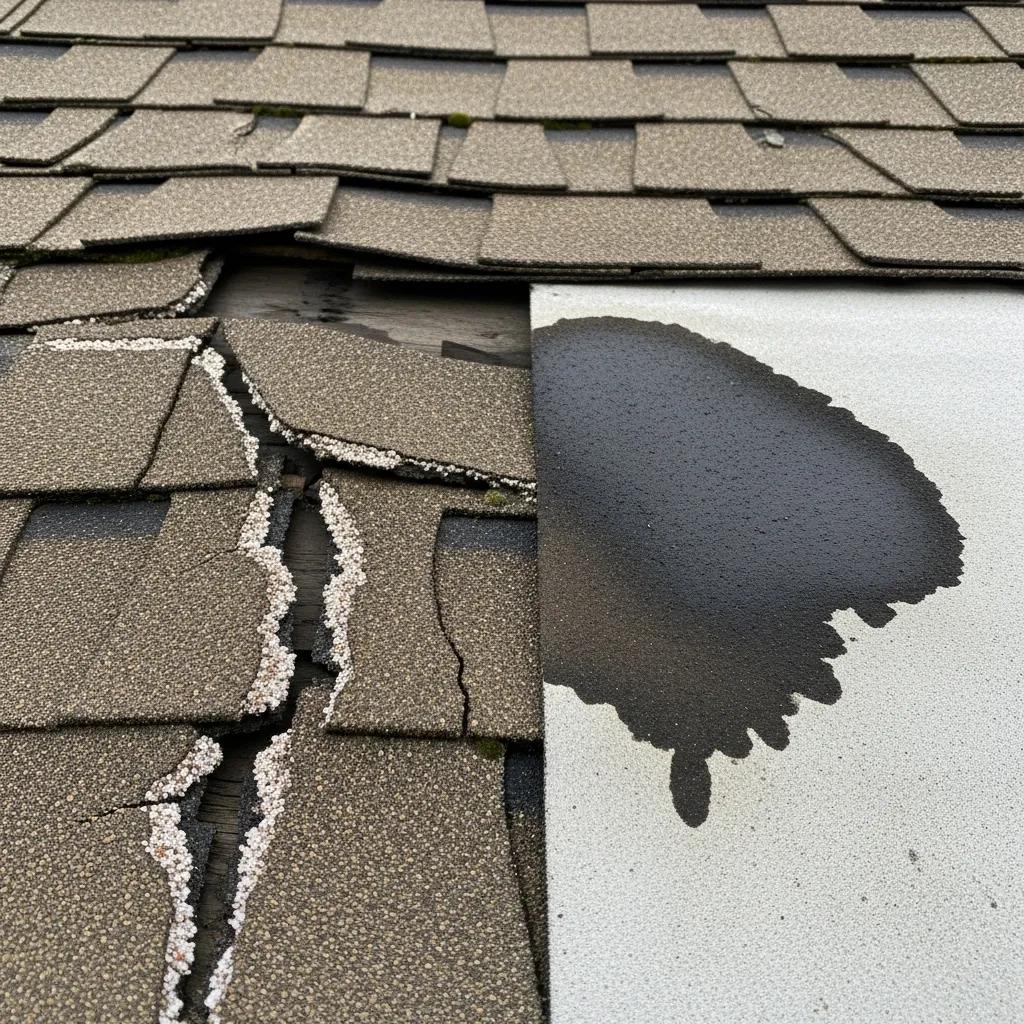
When assessing your roof’s condition, several common indicators can help you determine whether repair or replacement is necessary. These indicators include visible damage to shingles, water leaks inside the home, and sagging roof lines. These issues can affect both residential roofing services and commercial roofing properties.
- Visible Damage to Shingles: Cracked, curled, or missing shingles are clear signs that your roof may need repair or replacement.
- Water Leaks Inside the Home: If you notice water stains or leaks inside your home, it is crucial to address the issue immediately to prevent further damage.
- Sagging Roof Lines: A sagging roof can indicate structural issues that may require a complete replacement rather than simple repairs.
Understanding these indicators can help you make an informed decision about your roofing needs.
How Does Local Sonoma County Climate Affect Roof Damage Signs?
The local climate in Sonoma County plays a significant role in the types of roof damage you may encounter. Factors such as wildfire damage, hail damage, and wind damage can all impact the integrity of your roof.
- Wildfire Damage: Homes in areas prone to wildfires may experience damage from heat and embers, necessitating repairs or replacement.
- Hail Damage: Hail can cause dents and cracks in roofing materials, leading to leaks and other issues.
- Wind Damage: Strong winds can lift shingles and cause them to become dislodged, exposing your roof to potential leaks.
Being aware of how the local climate affects your roof can help you take proactive measures to protect your home, including seeking storm damage roof repair when necessary.
When Should You Choose Roof Repair Over Replacement?
Choosing between roof repair and replacement depends on several factors, including the extent of damage, the age of the roof, and the cost of repairs versus replacement.
- Extent of Damage: If the damage is localized and minimal, repairs may be sufficient. However, extensive damage may warrant a full replacement.
- Age of the Roof: If your roof is nearing the end of its lifespan, replacement may be the more cost-effective option in the long run.
- Cost of Repairs vs. Replacement: Compare the costs of repairing the existing roof versus the long-term benefits of a new roof.
Understanding these factors can help you make a more informed decision about your roofing needs.
Understanding the various factors that influence a homeowner’s decision is crucial for effective property management.
Homeowner Decision Factors for Building Maintenance
the relative importance of the decision factors perceived by the average homeowners from this study. Pull and push factors determining housing maintenance participation can then be
Multicriteria decision making for homeowners’ participation in building maintenance, Y Yau, 2012
Sutter Roofing Systems offers free roof inspections and detailed quotes to help homeowners and property managers make informed decisions regarding roof repair and replacement. Their expertise in the Sonoma County area ensures that you receive the best advice tailored to your specific situation.
What Types of Roof Damage Are Suitable for Repair?
Certain types of roof damage are more suitable for repair than others. Common issues that can typically be repaired include small leaks, damaged shingles, and flashing repairs.
- Small Leaks: Minor leaks can often be fixed without the need for a full roof replacement.
- Damaged Shingles: Replacing a few damaged shingles can restore the roof’s integrity without the expense of a complete overhaul.
- Flashing Repairs: Damaged flashing around chimneys and vents can lead to leaks, but these areas can often be repaired without replacing the entire roof.
Identifying the type of damage can help you determine the best course of action.
How Can a Professional Roof Inspection Guide Your Repair Decision?
A professional roof inspection is essential for accurately assessing the condition of your roof. Inspections can identify potential issues early, provide a comprehensive report on roof condition, and offer recommendations for repairs.
- Identifying Potential Issues Early: Regular inspections can catch problems before they escalate, saving you money in the long run.
- Comprehensive Report on Roof Condition: A detailed inspection report can help you understand the current state of your roof and what repairs may be necessary.
- Recommendations for Repairs: Professionals can provide tailored advice on whether to repair or replace your roof based on their findings.
Investing in a professional inspection can provide peace of mind and help you make informed decisions about your roofing needs.
When Is Roof Replacement the Recommended Solution?
Roof replacement is often recommended in specific circumstances, such as severe weather damage, age and wear of roofing materials, and structural issues.
- Severe Weather Damage: If your roof has sustained significant damage from storms or other weather events, replacement may be necessary.
- Age and Wear of Roofing Materials: Older roofs may not be able to withstand further repairs and may need to be replaced to ensure safety and efficiency.
- Structural Issues: If there are underlying structural problems, a complete replacement may be the best option to ensure the integrity of your home.
Recognizing these circumstances can help you determine when replacement is the best course of action.
What Are the Key Factors Indicating Roof Replacement Is Necessary?
Several key factors can indicate that roof replacement is necessary. These include visible damage to shingles, signs of water leaks, and increased energy bills.
- Visible Damage to Shingles: If you notice extensive damage to your shingles, it may be time for a replacement.
- Signs of Water Leaks: Persistent leaks can indicate that your roof is no longer effective and may need to be replaced.
- Increased Energy Bills: A sudden spike in energy costs can suggest that your roof is not providing adequate insulation, warranting a replacement.
Understanding these factors can help you make an informed decision about your roofing needs.
How Does Roof Lifespan Influence Replacement Timing in Sonoma County?
The lifespan of your roof significantly influences when replacement should occur. Different roofing materials have varying lifespans, and seasonal weather conditions can also impact longevity.
- Different Roofing Materials Have Varying Lifespans: Asphalt shingles typically last 15-30 years, while metal roofs can last 40-70 years. For more details, see our roofing materials guide.
- Seasonal Weather Conditions: Harsh weather can accelerate wear and tear, necessitating earlier replacement.
- Regular Maintenance Can Extend Lifespan: Proper maintenance can help prolong the life of your roof, delaying the need for replacement.
Being aware of these factors can help you plan for future roofing needs.
How Do Roof Repair and Replacement Costs Compare?
When considering roof repair versus replacement, understanding the costs involved is crucial. Repair costs can vary based on the extent of damage, while replacement costs depend on the size of the roof and the materials used. For detailed pricing, refer to the roofing materials guide and the average cost of roof repair in Sonoma County.
| Cost Type | Description | Average Cost |
|---|---|---|
| Roof Repair | Minor repairs for leaks and damaged shingles | $300 – $1,500 |
| Roof Replacement | Complete replacement of roofing materials | $5,000 – $15,000 |
This comparison highlights the potential financial implications of each option, helping you make a more informed decision.
Effective decision-making models are essential for optimizing maintenance and repair activities, aiming to minimize long-term costs.
Optimal Maintenance & Repair Decision Models
Decision-making models provide highway agencies with a plan for optimal decisions about maintenance and repair activities. The objective of these models is to minimize the total expected cost of maintaining a system of facilities incurred by an agency and the users over a given planning horizon.
Inspection, prediction and decision-making in infrastructure management: Framework, models and computation, SM Madanat, 2003
What Are Typical Roof Repair Estimates in Sonoma County?
In Sonoma County, typical roof repair estimates can vary based on the type of damage and the materials used. Homeowners should expect to pay for common repairs, which can range from minor fixes to more extensive work. For more information, see the average cost of roof repair in Sonoma County.
- Average Costs for Common Repairs: Minor repairs may cost around $300, while more significant issues can reach $1,500 or more.
- Factors Influencing Repair Costs: The extent of damage, type of roofing material, and labor costs can all impact repair estimates.
- Importance of Getting Multiple Quotes: Obtaining several estimates can help ensure you receive a fair price for your repairs.
Understanding these estimates can help you budget for necessary repairs.
What Factors Affect Roof Replacement Cost and Financing Options?
Several factors influence the cost of roof replacement, including the extent of damage, roof size and material type, and labor costs.
- Extent of Damage: More extensive damage may require additional materials and labor, increasing costs.
- Roof Size and Material Type: Larger roofs and premium materials will typically cost more to replace.
- Labor Costs: Labor rates can vary based on location and the complexity of the job.
Exploring financing options can also help homeowners manage the costs associated with roof replacement.
What Are the Best Roofing Materials for Repair and Replacement?
Choosing the right roofing materials is essential for both repairs and replacements. Common options include asphalt shingles, metal roofing, and tile roofing. For a detailed overview, consult our roofing materials guide.
- Asphalt Shingles: A popular choice due to their affordability and ease of installation.
- Metal Roofing: Known for durability and longevity, metal roofs can withstand harsh weather conditions.
- Tile Roofing: Offers a unique aesthetic and excellent durability, though it can be more expensive.
Selecting the right materials can significantly impact the performance and lifespan of your roof.
Which Roofing Materials Offer the Highest Level of Craftsmanship and Longevity?
Certain roofing materials are known for their craftsmanship and longevity, making them ideal choices for homeowners seeking durability.
- Metal Roofs: Renowned for their longevity, metal roofs can last 40-70 years with proper maintenance.
- Asphalt Shingles: While less durable than metal, high-quality asphalt shingles can still provide reliable protection for 20-30 years.
- Energy Efficiency: Some materials, like metal and tile, offer better energy efficiency, helping to reduce heating and cooling costs.
Understanding the benefits of various materials can help you make an informed choice for your roofing needs.
How Do Local Architectural Styles Influence Material Selection?
Local architectural styles can significantly influence the selection of roofing materials. Homeowners should consider compatibility with their home’s design and the surrounding environment.
- Local Architectural Trends: Certain materials may be more prevalent in specific areas due to historical or aesthetic preferences.
- Material Compatibility: Choosing materials that complement your home’s architecture can enhance curb appeal and value.
- Aesthetic Considerations: The visual impact of roofing materials should align with the overall design of your home.
Considering these factors can help you select the most appropriate roofing materials for your property.
What Is the Comprehensive Roof Inspection Process and Checklist?

A comprehensive roof inspection involves several steps to ensure a thorough assessment of your roof’s condition. Key components of the inspection process include initial inspection steps, documentation of findings, and the importance of regular inspections.
- Initial Inspection Steps: Inspectors will assess the roof’s surface, flashing, and drainage systems for signs of damage.
- Documentation of Findings: A detailed report will outline any issues found during the inspection, along with recommendations for repairs or replacement.
- Importance of Regular Inspections: Regular inspections can help identify potential problems early, saving homeowners money in the long run.
Understanding the inspection process can help you prepare for a professional evaluation of your roof.
How Does a Free Roof Inspection Provide Peace of Mind?
A free roof inspection can offer homeowners peace of mind by identifying potential issues before they escalate. Key benefits include early problem detection, cost savings, and increased home value.
- Early Problem Detection: Identifying issues early can prevent costly repairs down the line.
- Cost Savings: Addressing minor problems before they worsen can save homeowners significant amounts of money.
- Increased Home Value: A well-maintained roof can enhance your home’s value and appeal to potential buyers.
Taking advantage of free inspections can provide valuable insights into your roof’s condition.
What Are the Essential Steps in a Professional Roof Inspection Checklist?
A professional roof inspection checklist includes several essential steps to ensure a thorough evaluation of your roof’s condition. Key steps include inspecting shingles, checking for leaks, and documenting findings.
- Inspect Shingles: Look for signs of damage, such as cracks or missing pieces.
- Check for Leaks: Assess the interior of the home for water stains or signs of moisture.
- Document Findings: Keep a record of any issues found during the inspection for future reference.
Following a comprehensive checklist can help ensure that no critical areas are overlooked during the inspection process.