How to Extend the Life of Your Commercial Roof
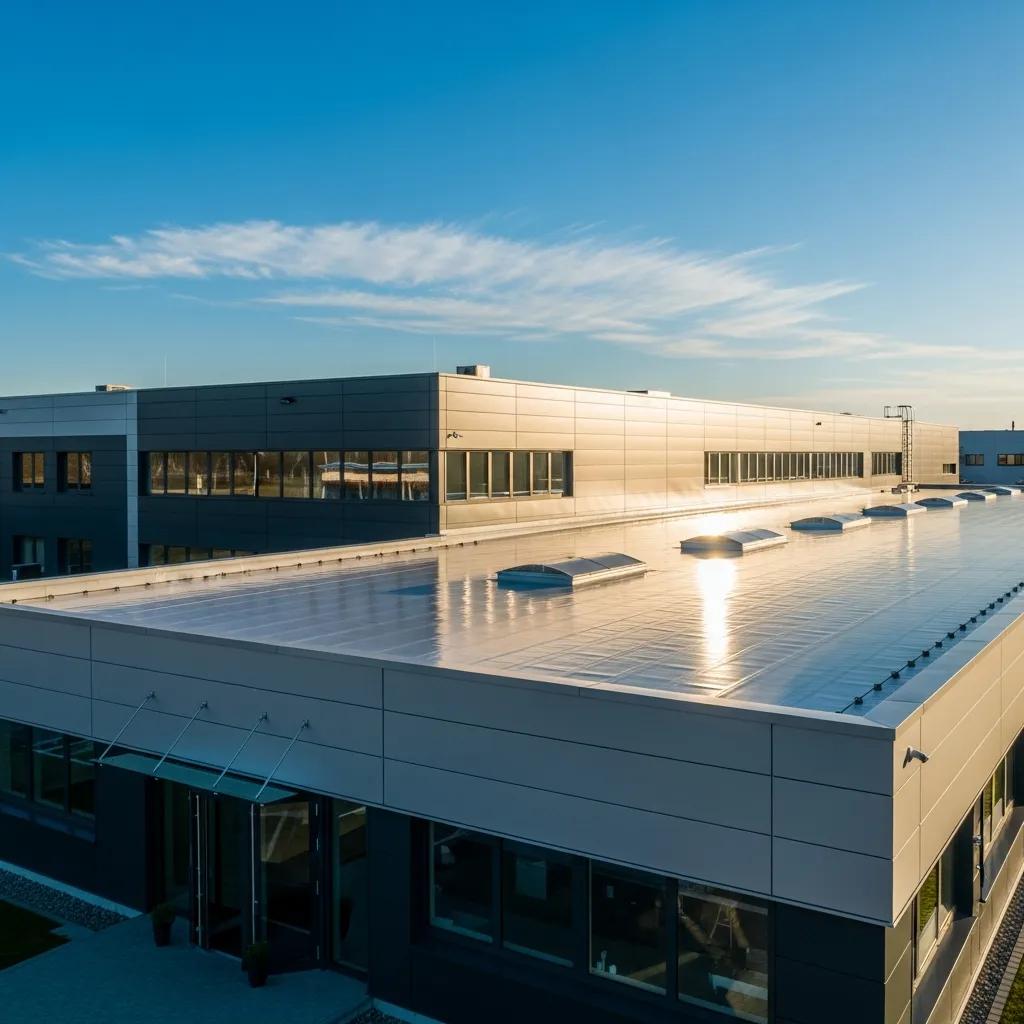
How to Extend the Life of Your Commercial Roof
Maintaining the longevity of a commercial roof is crucial for business owners, as it directly impacts property value and operational efficiency. This article will explore effective strategies for extending the life of your commercial roof, focusing on the importance of regular inspections, maintenance practices, and timely repairs. Many businesses face challenges with roof deterioration due to neglect or environmental factors, leading to costly repairs or replacements. By implementing proactive measures, you can significantly enhance your roof’s lifespan and performance. We will cover best practices for roof maintenance, the significance of inspections, and how to choose a reliable roofing contractor, among other essential topics.
The financial impact of proper roof management is significant, as highlighted by studies on large-scale operations.
Army Roof Management: Saving Costs & Extending Lifespan
1. The amount of operations and maintenance OM funding spent to repair and replace roofs makes up a significant percentage of the Armys overall maintenance and repair budget – about 200 million annually. Systemic, integrated solutions offer the Army a great opportunity to save millions of dollars annually in repair and replacement costs, and to avoid incidental costs incurred due to interrupted building occupancy, water damage to interior furnishings, etc. This report discusses current Army business practices for roof management, investigates technology needs, and identifies opportunities for evolving Army roof maintenance activities into a comprehensive roofing asset management program that will address gaps in current practices.
Army Roof Management and Improvement Opportunities., 1999
Best practices for extending the life of a commercial roof through expert inspection and maintenance
To ensure the longevity of your commercial roof, it is essential to adopt best practices that include regular inspections and maintenance. These practices help identify potential issues before they escalate into significant problems. Here are some key practices to consider:
- Regular Inspections: Schedule inspections at least twice a year to assess the roof’s condition and identify any signs of wear or damage.
- Seasonal Maintenance: Perform maintenance tasks seasonally, such as clearing debris, checking for leaks, and ensuring proper drainage.
- Timely Repairs: Address any issues immediately to prevent further damage, which can lead to costly repairs or even roof replacement.
Sutter Roofing Systems specializes in providing expert inspection and maintenance services that contribute to extending the life of commercial roofs in Sonoma County, CA. For comprehensive commercial roofing solutions in Sonoma County, their expertise is unmatched.
Why Are Regular Commercial Roof Inspections Essential for Longevity?
Regular commercial roof inspections are vital for maintaining the integrity and longevity of your roof. These inspections allow for early problem detection, which can save significant costs in the long run. By identifying issues such as leaks, cracks, or wear, property owners can address them before they lead to more extensive damage. Additionally, regular inspections can enhance property value by ensuring that the roof remains in good condition, which is an attractive feature for potential buyers or tenants. For a detailed commercial roof maintenance checklist, property owners can refer to expert resources to keep their roofs in top shape.
What Does a Comprehensive Commercial Roof Inspection Include?
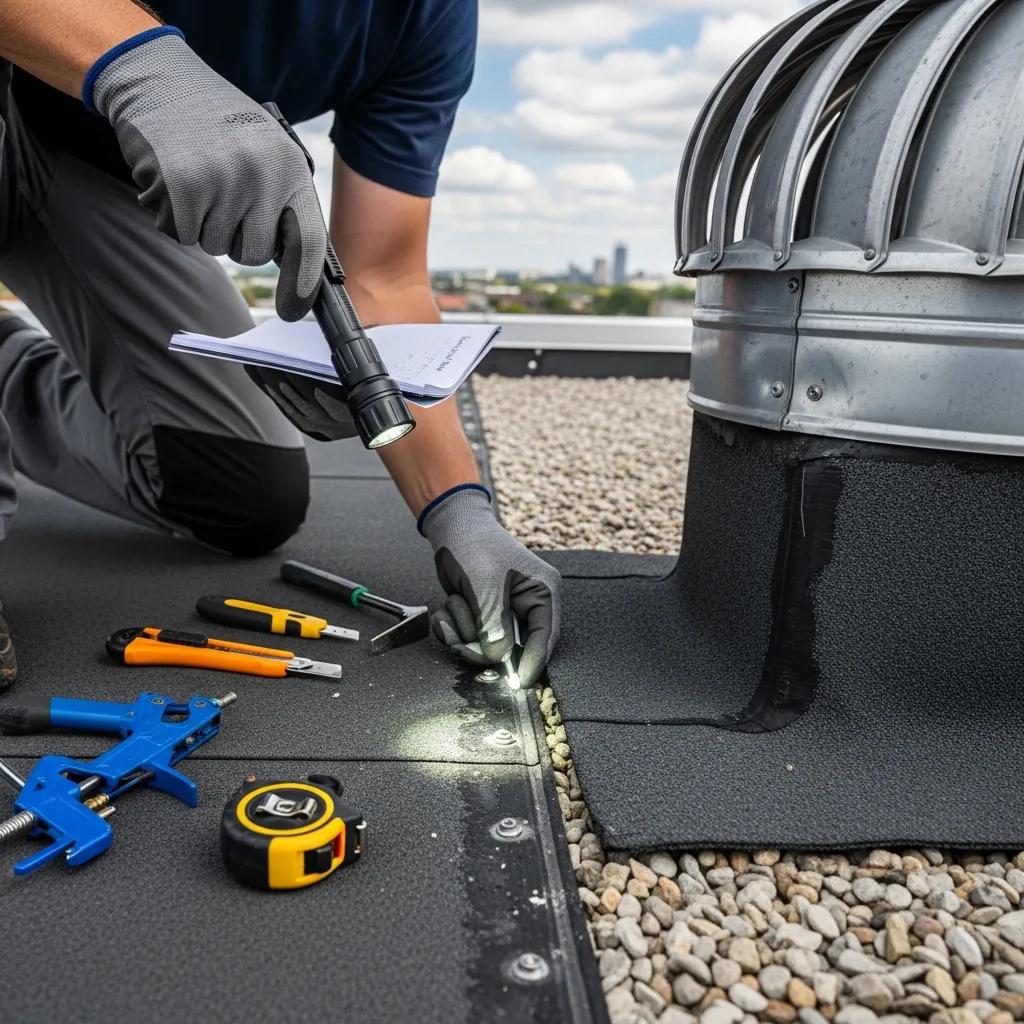
A comprehensive commercial roof inspection includes several critical components that evaluate the overall health of the roofing system. Key elements of an inspection typically involve:
- Total Roofing System Evaluation: Assessing the entire roofing system, including the roof deck, insulation, and membrane.
- Flashing Inspection: Checking the flashing around penetrations and edges to ensure they are secure and watertight.
- Documentation of Findings: Providing a detailed report of the inspection results, including photographs and recommendations for repairs.
This thorough approach ensures that all aspects of the roof are examined, allowing for informed decision-making regarding maintenance and repairs.
How Often Should Commercial Roofs Be Inspected in Sonoma County?
In Sonoma County, it is recommended that commercial roofs be inspected at least twice a year. Additionally, inspections should be conducted after severe weather events, such as heavy rain or strong winds, to assess any potential damage. Regular inspections help maintain the roof’s integrity and prevent minor issues from developing into major problems. For emergency situations caused by weather, storm damage roof repair services in Sonoma County are available to quickly address urgent needs.
What Is the Ideal Roof Maintenance Schedule to Maximize Roof Lifespan?
To maximize the lifespan of your commercial roof, establishing an ideal maintenance schedule is crucial. This schedule should include:
- Regular Inspections: Conduct inspections biannually and after severe weather.
- Gutter Maintenance: Clean gutters and downspouts regularly to prevent water buildup and potential leaks.
- Addressing Minor Repairs: Promptly fix any minor issues, such as small leaks or damaged flashing, to prevent them from worsening.
By adhering to this maintenance schedule, property owners can significantly extend the life of their roofs. For a detailed guide, see the commercial roof maintenance checklist provided by experts.
Which Preventative Maintenance Techniques Protect Commercial Roofs Best?
Implementing preventative maintenance techniques is essential for protecting commercial roofs from damage. Effective techniques include:
- Regular Inspections: Frequent assessments help catch issues early.
- Gutter Cleaning: Keeping gutters clear prevents water accumulation.
- Debris Removal: Regularly removing debris from the roof surface reduces the risk of damage and promotes proper drainage.
These techniques not only protect the roof but also enhance its overall performance and longevity.
How Does a Tailored Maintenance Plan Address Local Climate Challenges?
A tailored maintenance plan is essential for addressing the unique climate challenges faced by commercial roofs in Sonoma County. This plan should consider factors such as:
- Prolonged Lifespan: Custom maintenance schedules can help mitigate the effects of local weather patterns.
- Cost Savings: Preventative measures reduce the likelihood of costly repairs.
- Weather Resistance: Tailored plans can enhance the roof’s ability to withstand local climate conditions, such as heavy rainfall or high winds.
By developing a maintenance plan that considers these factors, property owners can ensure their roofs remain resilient and functional.
How Can Professional Roof Repair Services Prevent Costly Damage?
Professional roof repair services play a crucial role in preventing costly damage to commercial roofs. These services offer:
- Regular Inspections: Professionals can identify issues that may go unnoticed by untrained eyes.
- Timely Repairs: Addressing problems quickly prevents them from escalating into more significant issues.
- Emergency Services: In the event of severe damage, professional services can provide immediate assistance to mitigate further damage.
Utilizing professional services ensures that your roof is well-maintained and protected against potential threats. For guidance on deciding between repair and replacement, consult the roof repair vs replacement resource.
What Are Common Commercial Roof Repair Methods and Their Benefits?
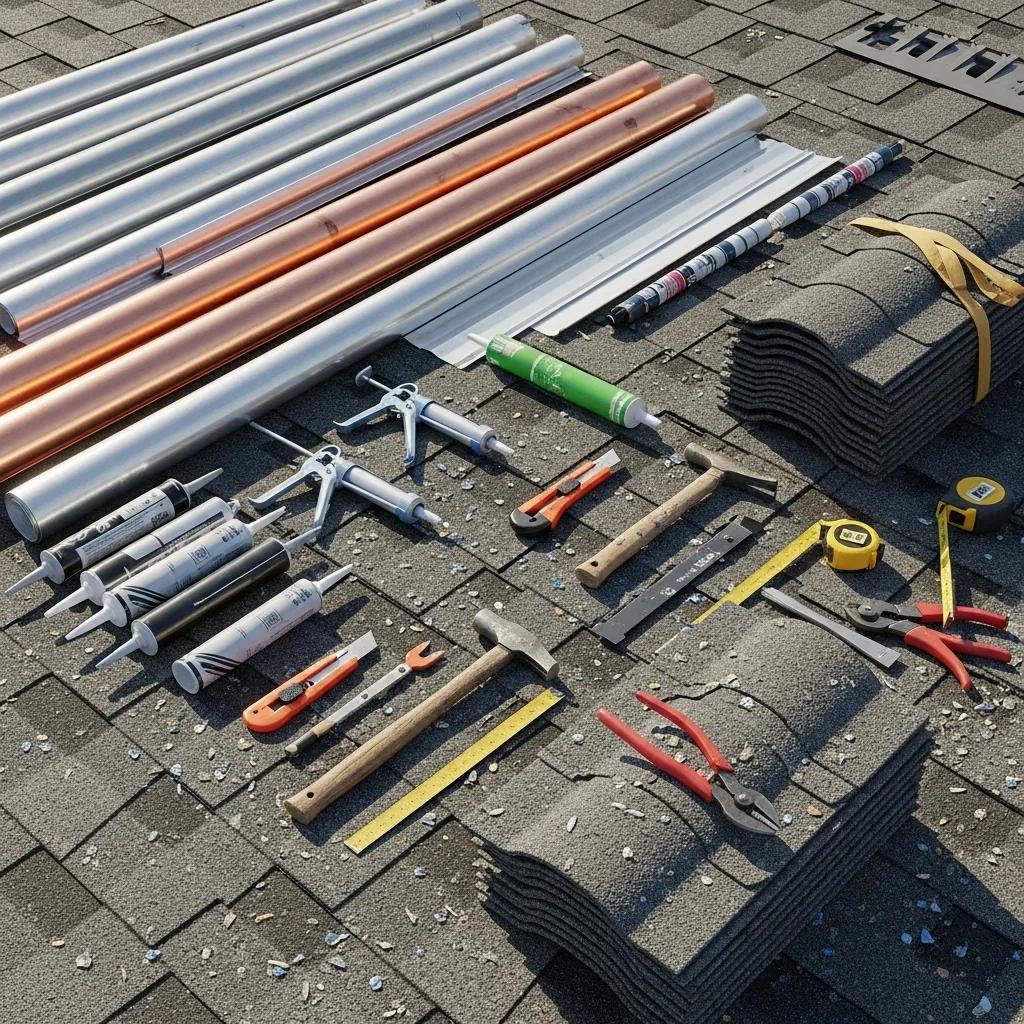
Common commercial roof repair methods include:
- Leak Repairs: Addressing leaks promptly to prevent water damage.
- Flashing Repairs: Ensuring flashing is secure to prevent water intrusion.
- Cleaning of Vents: Keeping vents clear to promote proper airflow and prevent moisture buildup.
These methods are essential for maintaining the roof’s integrity and preventing further damage.
When Is Roof Replacement Necessary Versus Repair?
Determining whether to repair or replace a roof depends on several factors, including:
- Extent of Damage: If the damage is widespread, replacement may be more cost-effective. For signs that indicate your roof needs replacement, see signs your commercial roof needs replacement.
- Age of the Roof: Older roofs may require replacement if they have reached the end of their lifespan.
- Repeated Repairs: If a roof has undergone multiple repairs, it may be time for a replacement.
Evaluating these factors can help property owners make informed decisions regarding their roofing needs.
What Are the Benefits of Roof Coatings for Extending Commercial Roof Life?
Roof coatings offer several benefits for extending the life of commercial roofs, including:
- Protection Against Sun Damage: Coatings shield the roof from UV rays, reducing wear and tear.
- Lower Repair Needs: By preventing damage, coatings can decrease the frequency of repairs.
- Energy Efficiency: Reflective coatings can improve energy efficiency by reducing heat absorption.
These benefits make roof coatings a valuable investment for property owners looking to extend their roof’s lifespan.
How Do Different Roof Coating Types Enhance Roof Performance?
Different types of roof coatings enhance performance in various ways:
- Reflective Capabilities: Some coatings reflect sunlight, reducing heat buildup and cooling costs.
- Durability Improvements: High-quality coatings can enhance the roof’s resistance to weathering and physical damage.
Choosing the right coating type can significantly impact the roof’s overall performance and longevity.
How to Choose a Trusted Roofing Contractor for Reliable Maintenance and Repairs?
Selecting a trusted roofing contractor is essential for ensuring quality maintenance and repairs. Consider the following tips:
- Local Reputation: Research contractors with positive reviews and a strong local presence.
- Credentials: Verify that the contractor is licensed and insured.
- Experience: Look for contractors with extensive experience in commercial roofing.
By following these guidelines, property owners can find a reliable contractor to meet their roofing needs.
What Credentials and Local Expertise Should You Look For?
When choosing a roofing contractor, it is important to consider their credentials and local expertise. Key factors include:
- Licensing and Insurance: Ensure the contractor is properly licensed and carries liability insurance.
- Quality of Materials: Inquire about the materials used and their durability.
- References and Reviews: Check for positive feedback from previous clients to gauge the contractor’s reliability.
These credentials are essential for ensuring that the contractor can deliver quality work.
How Does Sutter Roofing Systems Ensure Quality and Customer Peace of Mind?
Sutter Roofing Systems is committed to providing quality roofing services that ensure customer peace of mind. The company emphasizes:
- Commitment to Quality: Sutter Roofing Systems uses high-quality materials and skilled labor to deliver exceptional results.
- Local Expertise: With a focus on Sonoma County, the company understands the unique challenges posed by the local climate.
- Written Warranties: Sutter Roofing Systems offers written warranties on their work, providing customers with added assurance.
By choosing Sutter Roofing Systems, property owners can trust that their roofing needs will be met with professionalism and expertise.