TPO vs. EPDM Roofing: Which is Best for Your Business?
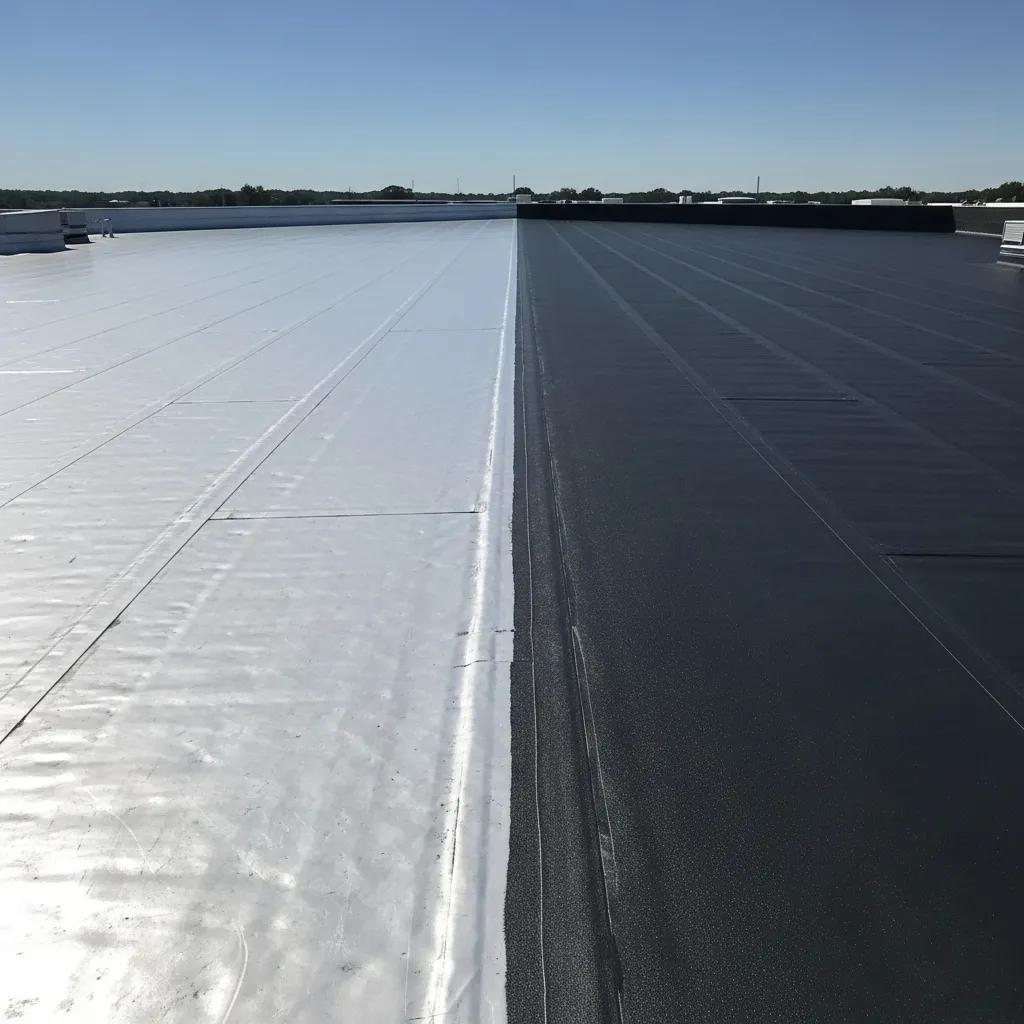
TPO vs. EPDM Roofing: Expert Comparison of Best Commercial Flat Roofing Materials for Your Business
When it comes to selecting the right roofing material for commercial flat roofs, TPO (Thermoplastic Olefin) and EPDM (Ethylene Propylene Diene Monomer) are two of the most popular options. Each material has unique properties, benefits, and drawbacks that can significantly impact the longevity and performance of a roofing system. This article will provide a comprehensive comparison of TPO and EPDM roofing, helping business owners make informed decisions based on their specific needs. We will explore key differences, material compositions, expected lifespans, advantages, limitations, and cost comparisons, ensuring you have all the information necessary to choose the best roofing solution for your business.
What Are the Key Differences Between TPO and EPDM Roofing Membranes?
TPO and EPDM roofing membranes differ significantly in their composition, installation methods, and performance characteristics. TPO is a single-ply roofing membrane made from a blend of polypropylene and ethylene-propylene rubber, which provides excellent UV resistance and energy efficiency. In contrast, EPDM is a synthetic rubber roofing membrane known for its durability and flexibility, making it suitable for various climates. Understanding these fundamental differences is crucial for selecting the right roofing material for your commercial property.
Further research highlights the importance of robust performance criteria for accurately evaluating single-ply roofing systems like TPO and EPDM.
Evaluating Single-Ply Roofing Performance Criteria
Performance criteria and assessment methods are investigated to identify those which might apply to military construction. It was found that very little research has addressed this field almost no guidance is available to help specifiers decide which of the new products merit consideration. Most of the techniques used now look at a series of mechanical and physical properties, with very few adopting a systems approach. Only three criteria have been accepted for evaluating the roof as a whole fire resistance, wind uplift resistance, and impact resistance. It is recommended that standards be developed to allow accurate prediction of both in-applications and in-service performance of single-ply roofs.
Investigation to Identify Performance Criteria and Test Methods for Evaluating Single-Ply Roofing Systems., 1987
How Do Material Composition and Installation Methods Compare?
The material composition of TPO and EPDM roofing membranes plays a vital role in their performance and installation. TPO membranes are typically white or light-colored, reflecting sunlight and reducing heat absorption, which can lead to lower energy costs. Installation methods for TPO often involve mechanically fastening or adhering the membrane to the roof deck. On the other hand, EPDM membranes are usually black, absorbing heat, which can be beneficial in colder climates. EPDM is installed using adhesive or ballasted methods, providing flexibility during installation.
What Is the Expected Lifespan and Durability of Each Membrane?
The expected lifespan of TPO roofing membranes is generally around 15 to 25 years, depending on the quality of installation and maintenance. TPO is known for its resistance to punctures and tears, making it a durable option for commercial roofs. In contrast, EPDM membranes can last 20 to 30 years or more, thanks to their excellent weather resistance and ability to withstand extreme temperatures. Both materials require regular maintenance to ensure their longevity, but EPDM’s durability often makes it the preferred choice for long-term investments. For tips on extending roof life, consider consulting expert maintenance guides.
What Are the Advantages and Limitations of TPO Roofing for Commercial Flat Roofs?
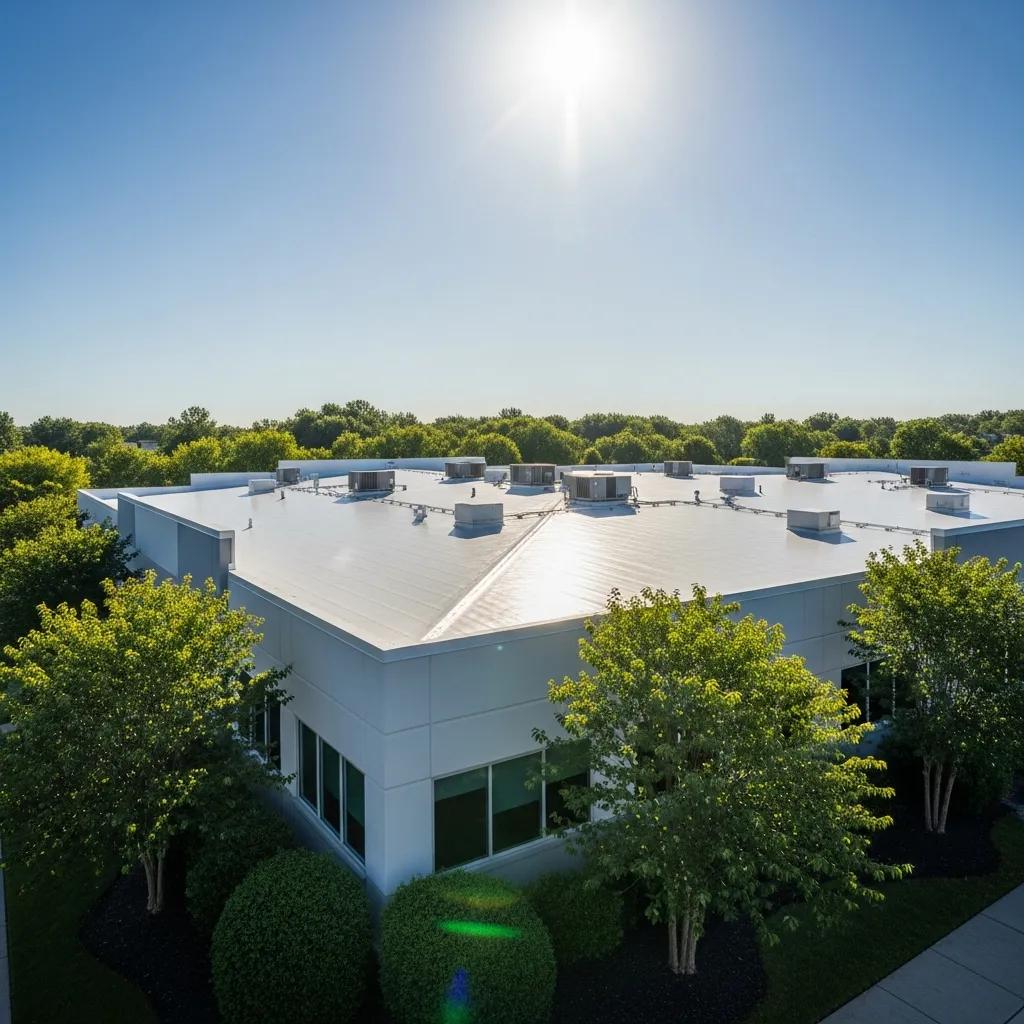
TPO roofing offers several advantages for commercial flat roofs, including:
- Energy Efficiency: TPO’s reflective surface helps reduce cooling costs by reflecting sunlight.
- Ease of Installation: TPO membranes are lightweight and easy to install, which can lead to lower labor costs.
- Cost-Effectiveness: Generally, TPO roofing systems are more affordable than EPDM, making them an attractive option for budget-conscious businesses.
However, TPO also has limitations, such as:
- Shorter Lifespan: Compared to EPDM, TPO may not last as long under certain conditions.
- Potential for Shrinkage: TPO membranes can shrink over time, leading to seams that may require maintenance.
How Does TPO Roofing Enhance Energy Efficiency and Cost Savings?
TPO roofing enhances energy efficiency through its reflective properties, which can significantly lower energy bills during hot months. By reflecting sunlight, TPO reduces the heat absorbed by the building, leading to decreased reliance on air conditioning systems. This energy efficiency translates into cost savings over time, making TPO an appealing option for businesses looking to reduce operational expenses. Additionally, many utility companies offer incentives for installing energy-efficient roofing systems, further enhancing the financial benefits of TPO.
What Maintenance Requirements and Warranty Terms Apply to TPO Roofs?
Maintaining TPO roofs involves regular inspections and cleaning to prevent debris buildup and ensure proper drainage. It is recommended to conduct inspections at least twice a year and after severe weather events. For detailed guidance on maintaining a flat roof, business owners can refer to specialized checklists. Warranty terms for TPO roofing systems typically range from 10 to 20 years, depending on the manufacturer and specific installation details. Understanding these maintenance requirements and warranty terms is essential for maximizing the lifespan and performance of TPO roofing.
What Are the Benefits and Considerations of EPDM Roofing for Your Business?
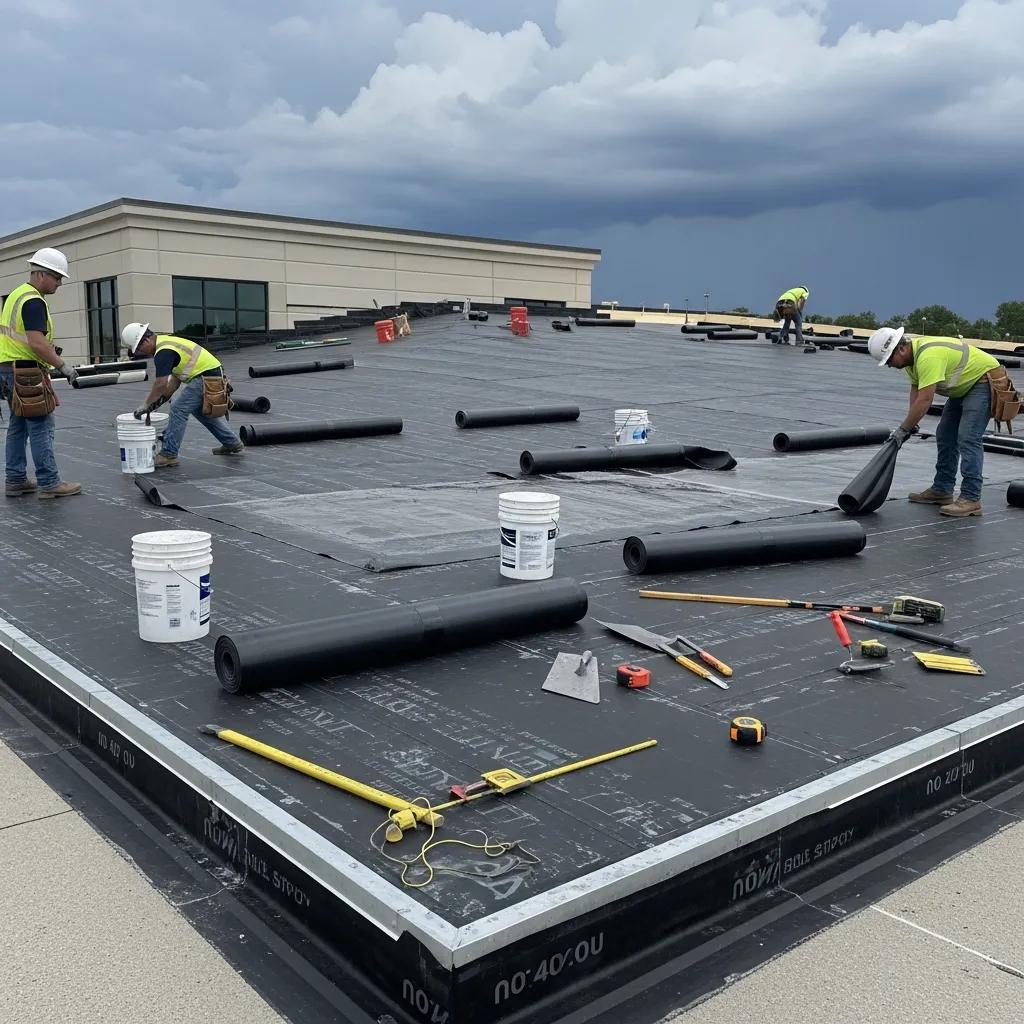
EPDM roofing provides numerous benefits, including:
- Superior Durability: EPDM is highly resistant to weathering, UV radiation, and temperature fluctuations.
- Flexibility: The material’s flexibility allows it to expand and contract with temperature changes, reducing the risk of damage.
- Long Lifespan: With proper maintenance, EPDM roofs can last 20 to 30 years or more.
However, there are considerations to keep in mind, such as:
- Heat Absorption: EPDM’s dark color can lead to higher energy costs in warmer climates.
- Installation Complexity: EPDM installation may require more specialized skills compared to TPO.
Why Is EPDM Known for Superior Durability and Weather Resistance?
EPDM is renowned for its superior durability and weather resistance due to its unique rubber composition. This material can withstand extreme temperatures, heavy rain, and even hail without significant damage. Its ability to resist cracking and splitting over time makes it an ideal choice for regions with harsh weather conditions. Additionally, EPDM’s flexibility allows it to adapt to the building’s movements, further enhancing its durability.
How Does EPDM Roofing Suit Sonoma County’s Local Climate?
Sonoma County’s climate, characterized by warm summers and cool, wet winters, is well-suited for EPDM roofing. The material’s ability to withstand temperature fluctuations and heavy rainfall makes it an excellent choice for commercial buildings in this region. EPDM’s weather resistance ensures that roofs remain intact and functional, even during the most challenging weather conditions. This adaptability contributes to the long-term performance and reliability of EPDM roofing systems. For trusted commercial roofing solutions in Sonoma County, local businesses can rely on experienced professionals.
How Do TPO and EPDM Roofing Compare in Cost and Lifecycle Value?
When comparing the costs of TPO and EPDM roofing, several factors come into play, including initial installation costs, long-term expenses, and overall lifecycle value. TPO roofing systems typically have lower initial costs, making them attractive for businesses with tight budgets. However, EPDM’s longer lifespan and durability can result in lower long-term expenses, making it a more cost-effective option over time.
What Are the Initial Installation Costs and Long-Term Expenses?
Initial installation costs for TPO roofing can range from $3.50 to $6.00 per square foot, while EPDM installation costs typically range from $4.50 to $8.00 per square foot. While TPO may appear more affordable upfront, the long-term expenses associated with maintenance and potential repairs should also be considered. EPDM’s durability often leads to fewer repairs and replacements, which can offset its higher initial costs.
How Do Maintenance and Repair Costs Affect Overall Investment?
Maintenance and repair costs play a crucial role in the overall investment in roofing systems. TPO roofs may require more frequent repairs due to potential shrinkage and seam issues, leading to higher long-term costs. In contrast, EPDM’s durability often results in lower maintenance and repair expenses, making it a more reliable investment for businesses looking to minimize long-term costs. Recognizing signs of roof wear early can also help reduce unexpected expenses.
How Can You Choose the Right Roofing Contractor for TPO or EPDM Installation in Sonoma County?
Choosing the right roofing contractor is essential for ensuring a successful installation of TPO or EPDM roofing systems. Look for contractors with experience in commercial roofing and a solid reputation in the Sonoma County area. Verify their credentials, insurance, and client references to ensure they meet industry standards.
What Expertise Should You Expect from Local Roofing Professionals?
Local roofing professionals should provide thorough inspections, professional repairs, and emergency services when needed. Their expertise in TPO and EPDM roofing systems will help you make informed decisions about your roofing needs. Additionally, they should be knowledgeable about local building codes and regulations to ensure compliance during installation.
How Do Free Inspections and Customized Consultations Support Your Decision?
Free inspections and customized consultations can significantly aid in your decision-making process. These services allow roofing professionals to identify potential issues with your current roof and provide tailored advice on the best roofing solutions for your business. By understanding your specific needs and budget, you can make a more informed choice regarding TPO or EPDM roofing.
What Are the Environmental and Energy Efficiency Impacts of TPO vs. EPDM Roofing?
Both TPO and EPDM roofing systems have environmental and energy efficiency impacts that should be considered. TPO’s reflective properties contribute to energy savings and reduced heat absorption, making it an environmentally friendly option. EPDM, while less reflective, is highly durable and can last for decades, reducing the need for frequent replacements and minimizing waste.
What Are the Benefits of Energy-Efficient Roofing for Business Operations?
Energy-efficient roofing systems, such as TPO, offer several benefits for business operations, including:
- Cost Savings: Reduced energy bills lead to significant savings over time.
- Improved Indoor Comfort: Energy-efficient roofs help maintain stable indoor temperatures, enhancing employee comfort.
- Environmental Impact: Lower energy consumption contributes to a reduced carbon footprint, aligning with sustainability goals.
By understanding the benefits of TPO and EPDM roofing, businesses can make informed decisions that align with their operational needs and environmental responsibilities.