How to File a Roof Insurance Claim in California
How to File a Roof Insurance Claim in California: Expert Guide to a Successful Claim
Filing a roof insurance claim in California can be a daunting process for homeowners, especially when faced with the aftermath of roof damage. Understanding the intricacies of the insurance claim process is crucial for ensuring that you receive the compensation you deserve. This comprehensive guide will walk you through the essential steps involved in filing a roof insurance claim, from preparation to submission, and what to expect during the inspection process. Many homeowners struggle with documentation and communication with insurance adjusters, which can lead to delays or denials. By following this guide, you will learn how to effectively document roof damage, communicate with adjusters, and navigate the claims process successfully. We will also explore the support offered by Sutter Roofing Systems, a trusted roofing service provider in Sonoma County, California, to assist you in this journey.
What Are the Key Steps in the Roof Insurance Claim Process in California?
The roof insurance claim process in California involves several key steps that homeowners must follow to ensure a successful claim. Understanding these steps can help streamline the process and reduce stress.
- Review Your Insurance Policy: Familiarize yourself with your coverage details, including what types of damage are covered and the claim limits.
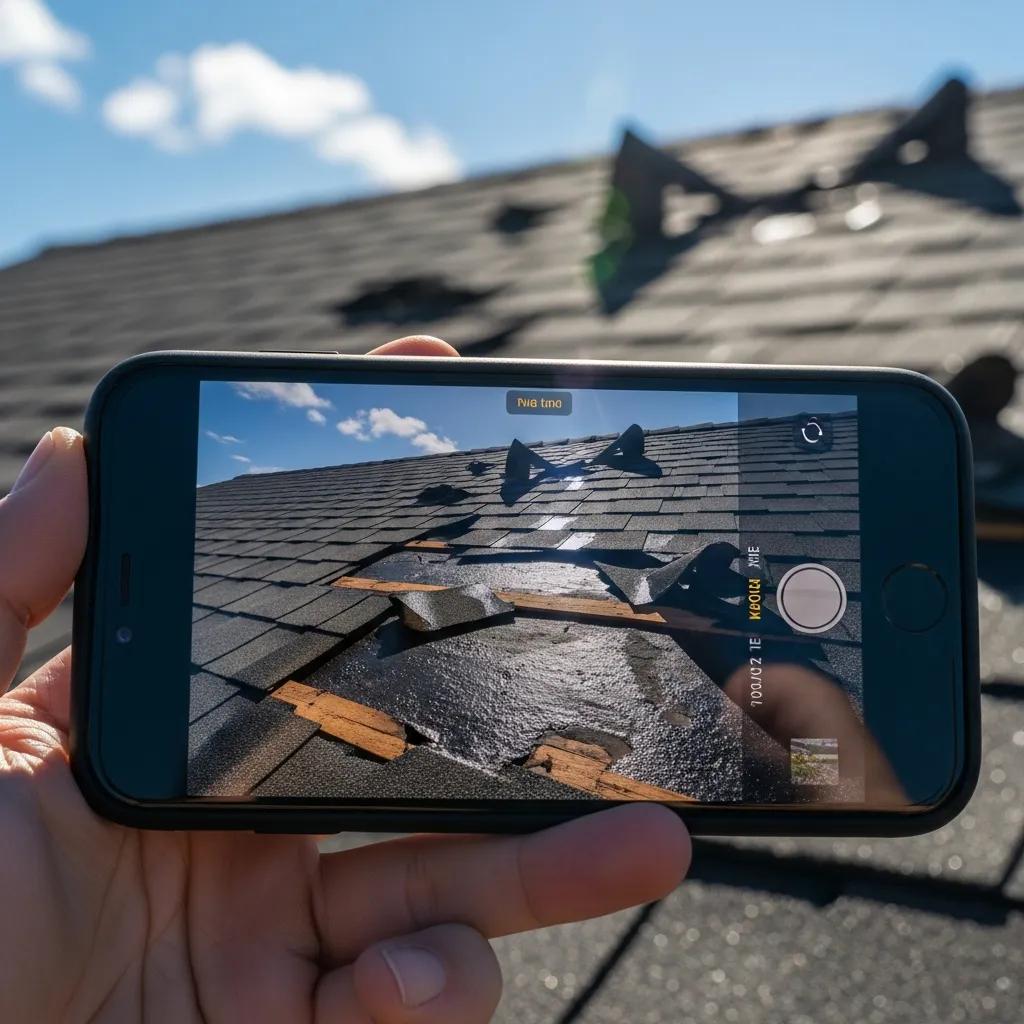
- Document the Damage: Take detailed photographs and notes of the damage to your roof, including any visible issues and the extent of the damage.
- Notify Your Insurance Company: Contact your insurance provider to report the damage and initiate the claims process.
- Schedule an Inspection: An insurance adjuster will be assigned to assess the damage and determine the claim amount.
- Submit Required Documentation: Provide all necessary documents, including photographs, repair estimates, and any other relevant information.
- Receive Claim Decision: After the inspection and review, your insurance company will inform you of their decision regarding your claim.
By following these steps, you can navigate the roof insurance claim process more effectively.
How to Prepare and Submit Your Roof Insurance Claim
Preparing and submitting your roof insurance claim requires careful attention to detail and organization. Here are the essential guidelines to follow:
- Gather Necessary Documents: Collect all relevant documents, including your insurance policy, photographs of the damage, and any repair estimates.
- Follow Submission Guidelines: Adhere to your insurance company’s specific submission guidelines, which may include deadlines and required forms.
- Track Your Claim Status: Keep a record of all communications with your insurance company and follow up regularly to check the status of your claim.
Sutter Roofing Systems offers free inspections and quotes, which can be invaluable in preparing your claim. Their expertise ensures that you have accurate documentation to support your submission.
What to Expect During the Insurance Adjuster's Roof Inspection
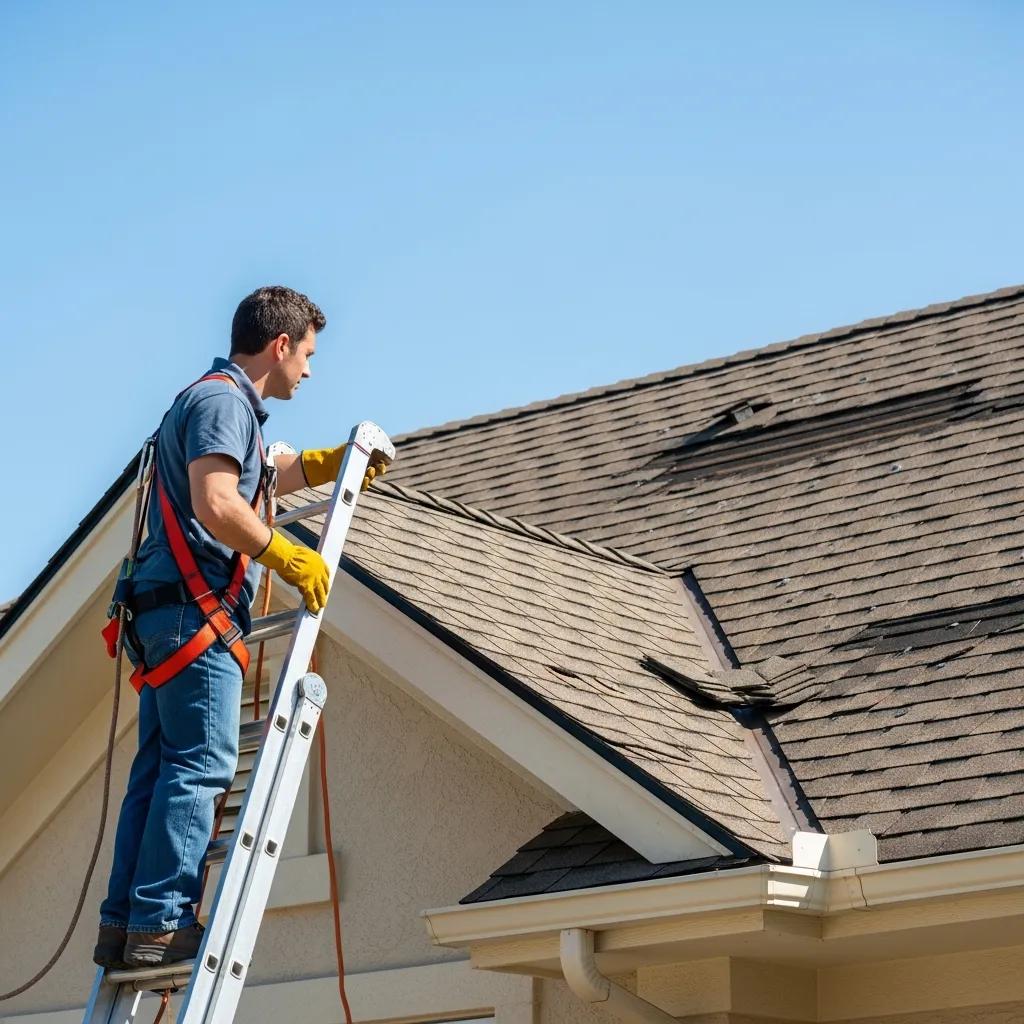
During the insurance adjuster’s roof inspection, you can expect a thorough assessment of the damage. The adjuster will evaluate various factors, including:
- Inspection Criteria: The adjuster will look for specific signs of damage, such as missing shingles, leaks, or structural issues.
- Common Issues Identified: Be prepared for the adjuster to point out common problems that may not be immediately visible, such as water damage or underlying structural concerns.
- Adjuster’s Role in the Claim: The adjuster will document their findings and provide a report to your insurance company, which will influence the outcome of your claim.
Understanding the inspection process can help you prepare and ensure that all relevant damage is documented.
How Do You Document Roof Damage Effectively for Insurance Claims?
Effectively documenting roof damage is crucial for a successful insurance claim. Here are best practices to follow:
- Regular Inspections: Conduct routine inspections of your roof to identify potential issues before they escalate.
- Photographic Evidence: Take clear, detailed photographs of all visible damage, including close-ups and wide shots to provide context.
- Detailed Records: Maintain a log of all communications with your insurance company and any repairs made to the roof.
By following these practices, you can create a comprehensive record that supports your claim.
What Types of Roof Damage Should Be Photographed and Reported?
When documenting roof damage for your insurance claim, it is essential to capture specific types of damage. Here are the key issues to photograph and report:
- Missing Shingles: Document any shingles that are missing or damaged, as this can indicate a need for repairs.
- Visible Cracks: Take photos of any visible cracks in the roof or flashing, which can lead to leaks.
- Water Damage Signs: Look for signs of water damage, such as stains on ceilings or walls, and document these issues.
Reporting these types of damage will help your insurance adjuster understand the extent of the problem.
How to Create a Detailed Roof Damage Report to Support Your Claim
Creating a detailed roof damage report is essential for supporting your insurance claim. Here are the steps to follow:
- Conduct Thorough Inspections: Inspect your roof carefully, noting all visible damage and potential issues.
- Document Findings: Write a detailed report that includes descriptions of the damage, photographs, and any relevant repair estimates.
- Compile a Structured Report: Organize your report logically, making it easy for the adjuster to follow and understand the extent of the damage.
A well-structured report can significantly enhance your chances of a successful claim.
What Should You Know About Working with Roof Insurance Adjusters in California?
Working with roof insurance adjusters in California requires understanding their role and how to communicate effectively. Here are some insights:
- Adjuster’s Role: The adjuster is responsible for assessing the damage and determining the claim amount based on their findings.
- Communication Tips: Be clear and concise when discussing your claim with the adjuster. Provide all necessary documentation and be prepared to answer questions.
- Common Challenges: Be aware of potential challenges, such as miscommunication or differing opinions on the extent of the damage.
By understanding these aspects, you can navigate the process more smoothly.
How to Communicate Clearly with Insurance Adjusters for Roof Damage
Effective communication with insurance adjusters is vital for a successful claim. Here are strategies to enhance your communication:
- Be Clear and Concise: Clearly articulate the issues you are facing and provide specific examples of the damage.
- Provide Necessary Documentation: Ensure that all required documents are submitted promptly to avoid delays.
- Follow Up Regularly: Maintain regular contact with the adjuster to stay informed about the status of your claim.
These strategies can help facilitate a smoother claims process.
What Are Common Challenges When Dealing with Adjusters and How to Overcome Them
Dealing with insurance adjusters can present several challenges. Here are common issues and strategies to overcome them:
- Claim Denials: If your claim is denied, review the reasons provided and gather additional evidence to support your case.
- Miscommunication: Ensure that all communications are documented and clarify any misunderstandings promptly.
- Documentation Issues: Keep thorough records of all damage and communications to avoid disputes over the claim.
By being proactive and organized, you can address these challenges effectively.
The complexity of roof damage claims, particularly those stemming from severe weather, often involves increased scrutiny and can lead to intricate appraisal processes.
Roof Storm Damage Claims & Appraisal Process
Severe thunderstorms, often accompanied by high winds and hail, are regularly experienced and have the potential to cause damage to roofing systems and other exterior building components. Insurance claims for storm damage — both legitimate and unwarranted — have come under increased scrutiny due to indistinct and altered dates of loss, the amending and broadening of damage causes, and the offering of technically unsupportable opinions by individuals who are less than qualified. Further, these claims often end in appraisal hearings that are decided by umpires for whom there are no minimum educational or experiential requirements.
Forensic Evaluations of Built-Up Roofing Storm Damage Claims and the Appraisal Process, 2015
What Are the Essential Documents and Checklists for Filing a Roof Insurance Claim?
When filing a roof insurance claim, having the right documents is crucial. Here are the essential items you should prepare:
- Claim Forms: Complete all necessary claim forms provided by your insurance company.
- Inspection Reports: Include any reports from roofing professionals or inspectors that detail the damage.
- Communication Records: Maintain a log of all communications with your insurance company, including dates and details of conversations.
Having these documents ready will streamline the claims process.
Which Insurance Policy Details Are Crucial for Your Roof Claim?
Understanding your insurance policy is vital for a successful roof claim. Here are the key details to review:
- Coverage Limits: Know the maximum amount your policy will cover for roof repairs or replacement.
- Exclusions: Be aware of any exclusions in your policy that may affect your claim.
- Claim Process Familiarity: Familiarize yourself with the specific steps required to file a claim under your policy.
Being informed about these details can help you navigate the claims process more effectively.
How to Use a Roof Insurance Claim Checklist to Ensure Complete Documentation
Using a checklist can help ensure that you have all necessary documentation for your roof insurance claim. Here’s how to create and use one:
- Regular Inspections: Schedule regular roof inspections to identify potential issues early.
- Document Repairs: Keep records of any repairs made to your roof, including dates and costs.
- Understand Claims Process: Familiarize yourself with the claims process outlined in your insurance policy.
A checklist can help you stay organized and ensure that you don’t miss any critical steps.
What Are Your Options If Your Roof Insurance Claim Is Denied?
If your roof insurance claim is denied, you still have options. Here are steps to take:
Understanding the significant financial repercussions of a denied or delayed claim underscores the importance of knowing your options and preparing thoroughly.
Financial Impact of Delayed & Denied Insurance Claims
This study examines the financial impact of delayed or denied insurance claims on individuals and organizations. The purpose of the research is to quantify the economic consequences and identify the primary factors contributing to claim delays or denials. A mixed-methods approach was employed, combining quantitative analysis of insurance claim data with qualitative interviews of policyholders and insurance professionals. Key findings indicate that delayed or denied claims result in significant financial strain, including increased out-of-pocket expenses, cash flow disruptions, and, in some cases, long-term debt accumulation. The study highlights systemic inefficiencies within the claims process and suggests strategies for insurers to reduce delays, improve claim approval rates, and mitigate financial hardships for claimants.
Financial impact of delayed or denied insurance claims, 2025
- Appeal Process: Review the denial letter and follow the appeal process outlined by your insurance company.
- Seek Legal Advice: If necessary, consult with a legal professional who specializes in insurance claims.
- Reassess Documentation: Gather additional evidence or documentation that may support your case.
Understanding your options can help you navigate the appeals process effectively.
How to Appeal a Denied Roof Insurance Claim in California
Appealing a denied roof insurance claim involves specific steps. Here’s how to proceed:
- Gather Evidence: Collect any additional evidence that supports your claim, such as photographs or expert opinions.
- Submit Appeal: Follow your insurance company’s appeal process, ensuring that all required documents are included.
- Follow Up: Maintain communication with your insurance company to check the status of your appeal.
By being thorough and persistent, you can increase your chances of a successful appeal.
When to Seek Professional Roofing and Legal Assistance for Claim Disputes
In some cases, it may be necessary to seek professional assistance for claim disputes. Here are situations where this is advisable:
- Extensive Damage: If your roof has sustained significant damage, a professional assessment can provide valuable insights.
- Complex Claims: For complicated claims involving multiple issues, professional guidance can help navigate the process.
- Legal Disputes: If you encounter legal challenges, consulting with a legal professional can protect your interests.
Knowing when to seek help can make a significant difference in the outcome of your claim.
How Does Sutter Roofing Systems Support Your Roof Insurance Claim in California?
Sutter Roofing Systems offers valuable support for homeowners navigating the roof insurance claim process. Their services include:
- Free Inspections: They provide thorough inspections to assess roof damage and help document findings for insurance claims.
- Expert Assessments: Their team offers expert assessments to ensure that all damage is accurately reported.
- Claim Documentation Support: Sutter Roofing Systems assists homeowners in compiling the necessary documentation to support their claims.
By leveraging their expertise, homeowners can enhance their chances of a successful claim.
What Free Roof Inspection and Damage Assessment Services Are Offered?
Sutter Roofing Systems offers free roof inspection and damage assessment services to help homeowners prepare for insurance claims. These services include:
- Thorough Inspections: Their team conducts comprehensive inspections to identify all areas of damage.
- Damage Assessments: They provide detailed assessments that outline the extent of the damage and necessary repairs.
- Early Issue Identification: By identifying issues early, homeowners can address problems before they escalate.
These services are invaluable for homeowners looking to file a successful insurance claim.
How Our Local Expertise Ensures Accurate Documentation and Claim Success
Sutter Roofing Systems’ local expertise plays a crucial role in ensuring accurate documentation and claim success. Their advantages include:
- Understanding Local Regulations: They are familiar with local building codes and regulations, which can impact insurance claims.
- Thorough Inspections: Their team conducts meticulous inspections to ensure that all damage is documented accurately.
- Quality Craftsmanship: Sutter Roofing Systems is committed to providing high-quality roofing solutions that meet industry standards.
This local knowledge and commitment to quality can significantly enhance the claims process for homeowners.