Signs You Need a New Roof
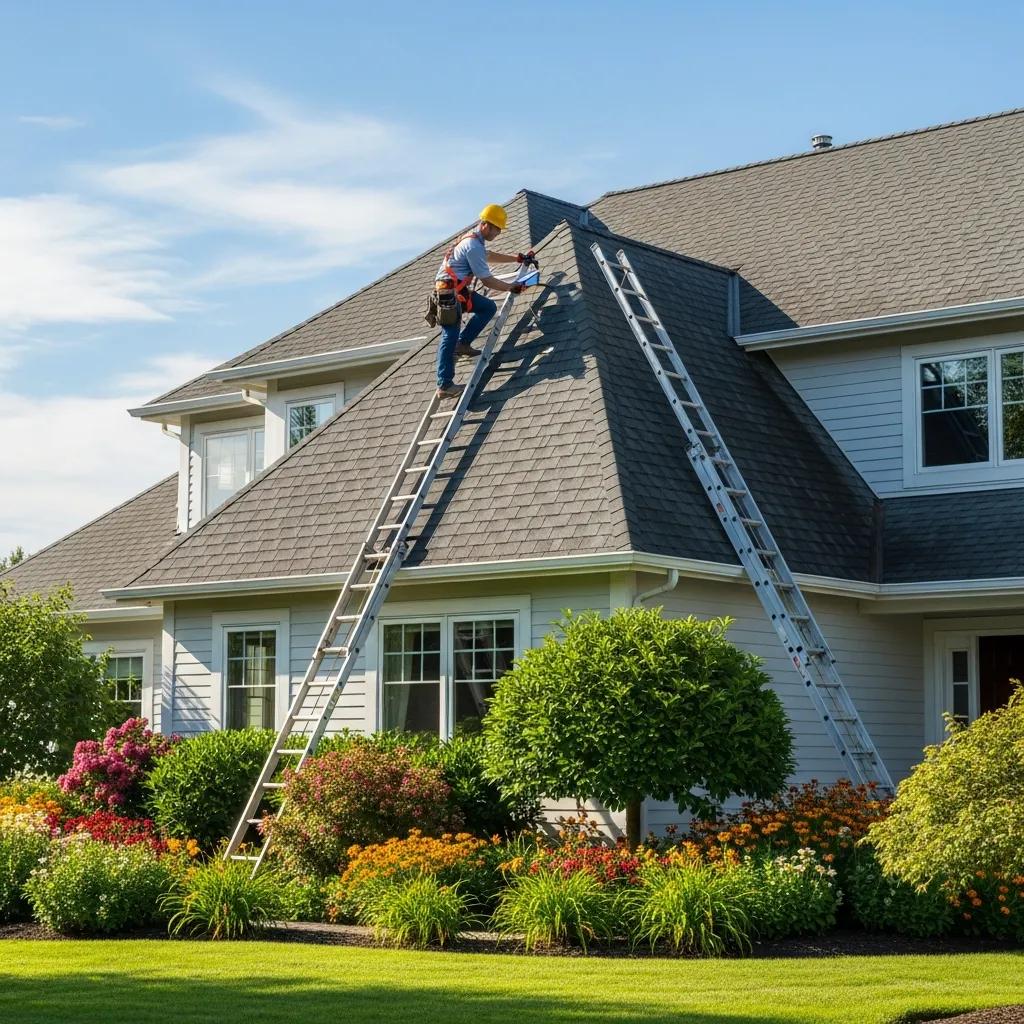
Signs You Need a New Roof: Comprehensive Guide to Roof Inspection and Replacement Decisions
A well-maintained roof is crucial for the integrity of your home, yet many homeowners overlook the signs that indicate a roof replacement may be necessary. Understanding these signs can save you from costly repairs and ensure your home remains safe and secure. This comprehensive guide will help you identify the key indicators of roof damage, the importance of regular inspections, and when to consider repair versus replacement. By the end of this article, you will be equipped with the knowledge to make informed decisions about your roofing needs.
In this guide, we will explore the key signs indicating roof damage, how to use a roof inspection checklist, the factors influencing repair versus replacement, and the benefits of professional roof replacement services. We will also discuss how roof age affects replacement timing and material lifespan, ensuring you have a complete understanding of your roofing options.
What Are the Key Signs Indicating Roof Damage?
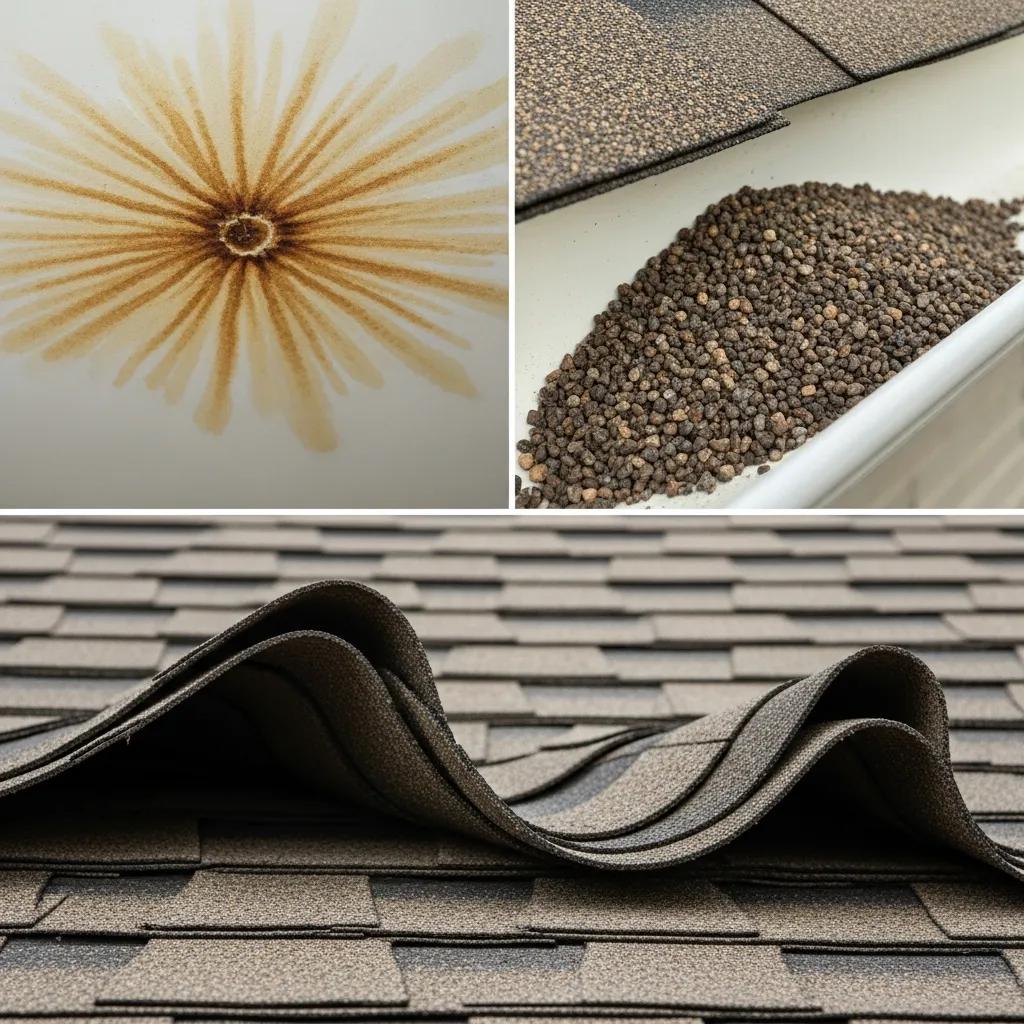
Identifying the signs of roof damage is essential for maintaining the health of your home. Common indicators include visible damage to shingles, water stains on ceilings, and increased energy bills. Recognizing these signs early can prevent more extensive damage and costly repairs down the line.
- Visible Damage to Shingles: Look for missing, curling, or cracked shingles, which can expose your roof to leaks and further deterioration.
- Water Stains on Ceilings: Stains or discoloration on your ceilings may indicate leaks, suggesting that your roof is compromised.
- Increased Energy Bills: A sudden spike in energy costs can signal that your roof is not insulating your home effectively, often due to damage or wear.
How to Detect Common Roof Damage Types Like Curling Shingles and Granule Loss
Common types of roof damage can often be detected through visual inspection. Curling shingles, for instance, indicate that the shingles are aging and may need replacement. Granule loss, which can be observed in the gutters or on the ground, suggests that the shingles are deteriorating and losing their protective layer.
- Missing Shingles: If you notice any missing shingles, it’s a clear sign that your roof needs immediate attention.
- Curling Shingles: Shingles that are curling at the edges or in the middle are often a sign of aging and may need to be replaced.
- Granule Loss: If you find granules in your gutters or on the ground, it indicates that your shingles are deteriorating and losing their effectiveness.
What Are the Visible and Hidden Indicators of Roof Leaks and Sagging?
Roof leaks can manifest in both visible and hidden ways. Water stains on ceilings and walls are often the first signs, but sagging roof lines can indicate more severe structural issues.
- Water Stains: Look for brown or yellow stains on ceilings or walls, which can indicate water intrusion.
- Mold Growth: Mold or mildew in your attic or on ceilings can suggest prolonged moisture exposure due to leaks.
- Sagging Roof Lines: A sagging roof can indicate structural damage, which may require immediate professional assessment.
How to Use a Roof Inspection Checklist to Assess Roof Health
A roof inspection checklist is a valuable tool for assessing the health of your roof. Regular inspections can help identify potential issues before they escalate into major problems.
The development of comprehensive checklists is crucial for effective roof inspections, ensuring all critical components are thoroughly evaluated.
Comprehensive Pitched Roof Inspection Checklist
Inspection is the basis of building structure to obtain assessment information. Assessment is used to get evidence and study the current condition of structure. This is because any structural failure can endanger the safety and health of building occupants. Through inspection, important information can be provided for consistent budget planning. The purpose of this paper is to identify the list of components and subcomponents for pitched roof system to inspection maintenance. The list of components has been reviewed by 3 stakeholder experts consisting of architects and engineers in Malaysia for consideration of the real component in the pitched roof design. The research confirmed the importance of the entire identified component pitch roof based on the 30 experts in roof fabrication. This paper serves to promote awareness among the various building inspections about the list of pitched roof components to identify components quickly. This inspection checklist has been validated by the expert to get feedback on the development. This checklist is aiming to design standard inspection for pitched roof and to reduce b
Identify Visual Component Inspection for Design Non-Destructive Pitch Roof Checklist, MHM Hashim, 2022
- Schedule Regular Inspections: Aim for at least one inspection per year, especially after severe weather events.
- Document Findings: Keep a record of any damage or repairs needed to track the condition of your roof over time.
- Consider Professional Help: If you’re unsure about the condition of your roof, hiring a professional can provide peace of mind and a thorough assessment.
What Steps Are Included in a Professional Roof Inspection Process?
A professional roof inspection typically involves several key steps to ensure a comprehensive evaluation of your roof’s condition.
Modern advancements, such as drone technology, are transforming the efficiency and safety of professional roof inspections.
Drone Roof Inspections: Safety & Efficiency
The traditional roof inspection tends to be a slow and challenging task, mainly due to accessibility limitations and the risk of falls from height. In recent years, the adoption of new technologies, such as the Unmanned Aerial System (UAS) to support the inspection process has proven to be an effective option to overcome such problems. According to the maintenance team’s perceptions, the UAS can contribute to increase worker safety, reduce time and effort during the data collection process, and assist in the identification of non-conformities.
Using uas for roofs structure inspections at post-occupational residential buildings, R Melo, 2020
- Initial Inspection and Evaluation: The inspector will assess the overall condition of the roof, looking for visible signs of damage.
- Check for Damage: This includes examining shingles, flashing, and gutters for any signs of wear or damage.
- Documentation of Findings: A detailed report will be provided, outlining any issues and recommended actions.
How Does a Free Roof Inspection in Sonoma County Help Identify Replacement Needs?
A free roof inspection can be invaluable in identifying potential replacement needs. By catching issues early, homeowners can save on costly repairs and ensure their roof remains in good condition.
- Early Problem Detection: Identifying issues early can prevent more extensive damage and higher repair costs.
- Energy Efficiency Improvements: An inspection can reveal areas where insulation can be improved, leading to lower energy bills.
- Peace of Mind: Knowing the condition of your roof can alleviate concerns and help you plan for future maintenance or replacement.
When Should You Choose Roof Repair Versus Roof Replacement?
Deciding between roof repair and replacement can be challenging. Several factors influence this decision, including the extent of damage, the age of the roof, and cost considerations.
Strategic roof management is not just about maintenance; it’s also a significant opportunity for substantial cost savings and avoiding incidental expenses.
Strategic Roof Management & Cost Savings
The amount of operations and maintenance OM funding spent to repair and replace roofs makes up a significant percentage of the Armys overall maintenance and repair budget – about 200 million annually. Systemic, integrated solutions offer the Army a great opportunity to save millions of dollars annually in repair and replacement costs, and to avoid incidental costs incurred due to interrupted building occupancy, water damage to interior furnishings, etc. This report discusses current Army business practices for roof management, investigates technology needs, and identifies opportunities for evolving Army roof maintenance activities into a comprehensive roofing asset management program that will address gaps in current practices.
Army Roof Management and Improvement Opportunities., 1999
- Extent of Damage: If the damage is localized, repair may be sufficient. However, widespread damage often necessitates a full replacement.
- Age of the Roof: Older roofs may not be worth repairing if they are nearing the end of their lifespan.
- Cost Considerations: Weigh the costs of repair versus replacement, considering long-term savings and potential future repairs.
What Factors Determine the Cost-Effectiveness of Repair or Replacement?
Several factors can influence the cost-effectiveness of roof repair versus replacement, including immediate repair costs and long-term savings.
- Immediate Repair Costs: Short-term repairs may seem less expensive but can add up over time if the roof continues to deteriorate.
- Long-Term Savings: A new roof may have a higher upfront cost but can save money in the long run through improved energy efficiency and reduced repair needs.
- Insurance Implications: Some insurance policies may cover repairs but not replacements, affecting your decision.
How Does Roof Age Influence the Decision Between Repair and Replacement?
The age of your roof plays a significant role in determining whether to repair or replace it. Older roofs are more likely to have multiple issues that can complicate repairs.
- Expected Lifespan of Materials: Different roofing materials have varying lifespans, which should be considered when making your decision.
- Frequency of Repairs: If you find yourself frequently repairing your roof, it may be time to consider a replacement.
- Structural Integrity: An aging roof may compromise the structural integrity of your home, necessitating a full replacement.
How Does Roof Age Affect Replacement Timing and Material Lifespan?
Understanding how roof age impacts replacement timing is crucial for homeowners. Different materials have varying lifespans, which can influence your decision-making process.
- Lifespan of Different Materials: Asphalt shingles typically last 20-30 years, while metal roofing can last 40-70 years.
- Signs of Material Deterioration: Look for curling, cracking, or granule loss as indicators that your roof may need replacement.
- Importance of Regular Inspections: Regular inspections can help identify when a roof is nearing the end of its lifespan.
What Is the Average Roof Lifespan by Material in Sonoma County?
Different roofing materials have distinct lifespans, which can affect your replacement timing.
| Material | Average Lifespan |
|---|---|
| Asphalt Shingles | 20-30 years |
| Metal Roofing | 40-70 years |
| Slate Roofing | 50+ years |
This table illustrates the varying lifespans of common roofing materials, helping homeowners make informed decisions about their roofing options.
How Do Local Climate Conditions Impact Roof Durability and Replacement Needs?
Local climate conditions can significantly impact the durability of roofing materials and the timing of replacements.
- Humidity Effects: High humidity can lead to mold growth and deterioration of roofing materials.
- UV Exposure: Prolonged exposure to UV rays can cause shingles to dry out and crack.
- Severe Weather Considerations: Areas prone to severe weather may require more durable roofing materials to withstand the elements.
What Are the Benefits of Professional Roof Replacement Services?
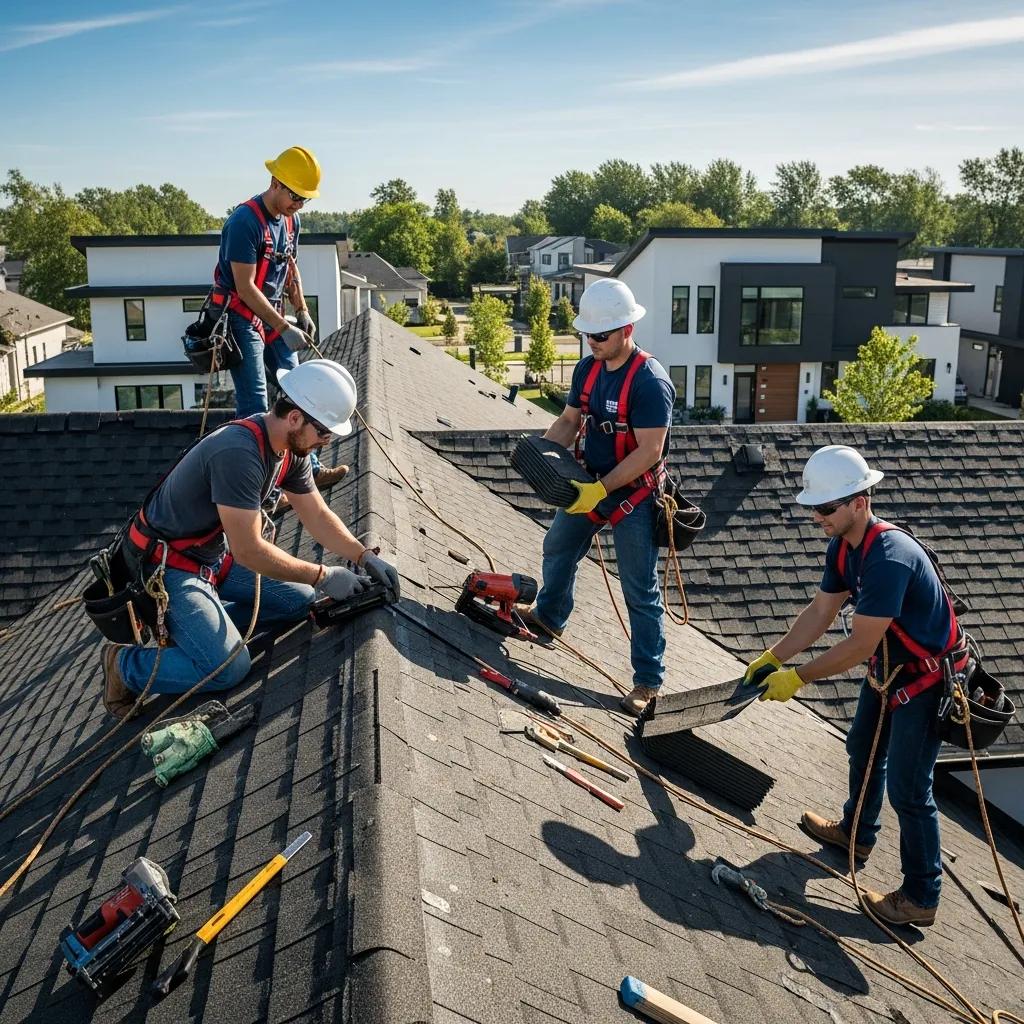
Hiring professional services for roof replacement offers several advantages that can enhance the longevity and performance of your roof.
- Quality Assurance: Professionals ensure that materials are installed correctly, reducing the risk of future issues.
- Local Expertise: Local contractors understand the specific challenges posed by the climate in your area.
- Comprehensive Services: Many professionals offer warranties and ongoing maintenance services, providing peace of mind.
How Does Expert Craftsmanship Ensure Long-Lasting Roof Performance?
Expert craftsmanship plays a crucial role in the longevity of your roof. Quality installation can prevent many common issues associated with roofing.
- Attention to Detail: Skilled contractors pay close attention to every aspect of the installation process, ensuring that all components are properly aligned and secured.
- Best Practices: Professionals follow industry best practices to ensure that your roof can withstand the elements.
- Regular Maintenance: Many contractors offer maintenance services to keep your roof in optimal condition.
What Guarantees and Warranties Provide Peace of Mind to Homeowners?
Warranties are an essential aspect of professional roof replacement services, providing homeowners with peace of mind regarding their investment.
- Workmanship Warranty: This warranty covers any issues arising from the installation process, ensuring that the contractor will address any problems.
- Manufacturer Warranty: Many roofing materials come with a manufacturer warranty, protecting against defects and premature failure.
- Peace of Mind for Homeowners: Knowing that your roof is backed by warranties can alleviate concerns about future repairs and replacements.